What to Ask Before Hiring a 24-Hour Water Extraction Company
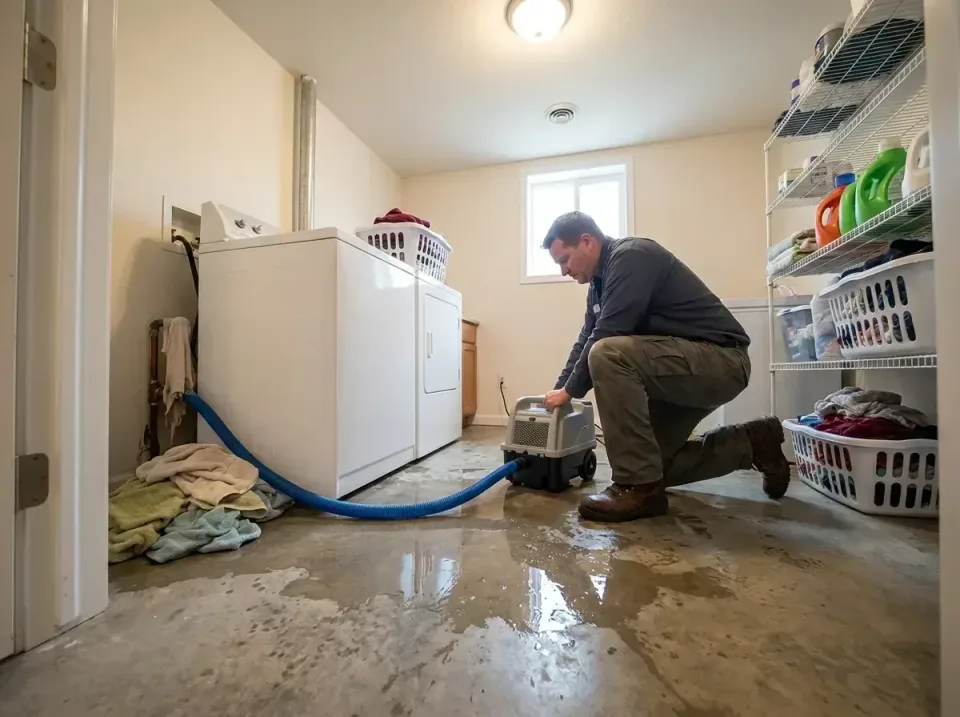
Extraction Questions for Denver Water Emergencies
Musty carpet odor or bubbling drywall usually means surface drying was incomplete. Ask how the company will perform extraction, meaning removal of standing water, and verify moisture readings before approving work.
In Denver, a leaking basement, foundation pool, or frozen pipe can affect flooring beneath furniture. Ask who checks wall cavities, subfloors, and carpet padding instead of treating only visible water.
Ask how technicians classify sewage or floodwater. Black water requires more protective handling than a clean supply-line leak, and water damage contractors in Dallas illustrate why contamination changes the work plan.
Request written scope, equipment details, daily updates, and photos for insurance. Water & Mold Removal Contractors can coordinate emergency water extraction across all service areas when a local Denver property needs a clear next step.
Five
Hiring Checks for Stains, Odors, and Wet Floors
-
Contamination: Ask if brown water is gray water, meaning contaminated household wastewater, or Category 3, meaning grossly contaminated water.
-
Stain tracking: Ask how technicians will document brown water stains spreading, including affected drywall, flooring, and porous contents.
-
Treatment consent: Ask what antimicrobial treatment means for your household and obtain a written explanation before any application.
-
Work-zone control: Ask how containment, or controlled work-zone isolation, will protect clean rooms from contaminated equipment and debris.
-
Drying proof: Ask for daily moisture readings and a final comparison with unaffected materials, not just a statement that carpet feels dry.
A reputable water extraction process overview should explain equipment, monitoring, and disposal rather than promise a quick cosmetic fix.
The ANSI/IICRC S520 Standard for Mold Remediation can help frame questions when stains or odors suggest microbial concerns. Ask for the scope before approving demolition.
Ask How the Company Finds Hidden Moisture
Soggy flooring beneath furniture and bubbling paint often show that water moved beyond the original spill. Ask whether the inspection includes moisture mapping, which documents wet building materials, and thermal imaging, which locates temperature differences that may reveal concealed moisture.
A technician should explain the drying goal: matching unaffected-material moisture levels. Ask how readings will be recorded each day and whether the company follows the ANSI/IICRC S500 Standard for Professional Water Damage Restoration. A water restoration inspection guide can help homeowners recognize why visible dryness does not prove a dry subfloor.
Ask which equipment fits the space. A portable extractor suits confined areas, while truck-mounted extraction recovers larger volumes. An air mover directs airflow across materials, and an LGR dehumidifier removes moisture from the air; ordinary fans rarely provide the same control.
Ask How Water Category Changes the Work
Gurgling drains and a sewage smell suggest black water, meaning sewage or floodwater, rather than a simple clean leak. Ask whether the company will treat the loss as Category 3, keep contaminated equipment outside clean zones, and explain disposal of recovered water.
Gray water from an appliance overflow still requires caution because contamination can increase over time. Ask whether technicians will use containment, HEPA filtration, and appropriate respiratory protection under OSHA 29 CFR 1910.134 when occupants remain nearby.
If visible mold appears around vents, ask where water entered and whether mold inspection and air-quality testing are separate from extraction. The EPA Mold Remediation in Schools and Commercial Buildings guidance is useful for discussing containment, cleaning, and material removal without assuming every dark mark is mold.
Ask What Happens to Carpet, Flooring, and Contents
Musty odor after carpet drying often points to wet padding, tack strips, or subfloor materials. Ask whether the quote includes carpet and pad extraction, subfloor access, furniture elevation, and odor removal instead of only surface cleaning.
Warped hardwood planks may indicate absorption below the finish. Ask how technicians distinguish drying from replacement, how they check for delamination, and whether contents pack-out is needed for furniture or porous belongings.
Photograph conditions before moving contents, including brown stains, warped boards, and damaged walls. Ask for insurance documentation with itemized photos, moisture logs, and notes about materials removed. Residential water extraction should leave a record that another contractor or adjuster can understand.
Ask About Safety, Disposal, and the Final Report
Do not energize wet electrical systems, and ask who handles utility coordination before equipment placement. Maintain clear paths around air movers, especially in occupied homes, multifamily properties, and small commercial spaces.
Ask whether antimicrobial application requires occupant approval and which product category will be used. Quaternary ammonium disinfectants should be discussed with label directions, ventilation needs, and the affected material rather than treated as a universal answer.
Before approving the final invoice, request daily moisture readings, equipment dates, photographs, and the reason each material was retained or removed. Water & Mold Removal Contractors can use that record to explain the work clearly before minor drywall or flooring repairs begin.
Extraction Options and Equipment Questions
The right choice depends on water volume, access, contamination, and the materials beneath the visible damage. Ask the technician to connect each recommendation to those conditions.
A company offering 24-hour dispatch should explain overnight service coordination, not merely advertise availability. Ask how emergency restoration equipment supports the proposed scope.
| Option | Best for | Key detail |
|---|---|---|
| Residential water extraction | Rooms, carpets, and small leaks | Portable units may use 10–20 gallon tanks |
| Truck-mounted extraction | Larger water volumes | Uses 2–4 inch hoses and higher recovery capacity |
| Commercial structural drying | Occupied offices and retail spaces | Air systems may range from 500–3,000 CFM |
| Contents drying and restoration | Furniture and porous belongings | Moisture mapping documents walls, floors, and contents |
Ask whether psychrometric monitoring will verify drying. That process uses air temperature and humidity measurements instead of relying on touch or odor alone.
Seven Steps Before Approving Emergency Extraction
-
Check hazards: Shut off the source, complete initial extraction planning, and keep people away from wet electrical systems.
-
Document conditions: Photograph flooring, stains, furniture, and walls before contents move.
-
Confirm access: Discuss utility coordination, hose routes, door clearance, and equipment placement along perimeter walls.
-
Protect furnishings: Elevate furniture with blocks and keep clear paths around each air mover.
-
Control contamination: Require containment before demolition and keep Category 3 equipment outside clean zones.
-
Monitor progress: Ask for daily moisture readings and adjustments based on drying conditions.
-
Close the job: Confirm contents staging, disposal notes, photographs, and the final drying report.
After-hours dispatch can coordinate overnight service, while an air mover provides directed structural airflow. The 1902 Carrier humidity-control milestone explains why controlled moisture removal differs from ordinary room ventilation.
If sewage is involved, ask how recovered water will be handled before work begins. Local wastewater rules may prohibit untreated discharge.
Cost Questions for Extraction and Drying
Use ranges as discussion points, then ask which materials, access limits, and drying duration create the proposed scope.
- Room extraction: $500–$1,500, driven by water volume and flooring.
- Basement drying: $1,500–$5,000, driven by square footage and moisture.
- Crawl-space drying: $1,000–$4,000, driven by access and insulation damage.
- Sewage cleanup: $2,000–$10,000, driven by contamination and demolition.
- Mold remediation: $1,500–$6,000, driven by affected materials and containment.
- Commercial drying: $3,000–$15,000, driven by occupancy and equipment duration.
Class 3 losses involve substantial water absorption and may require more drying equipment. Residential dehumidifiers commonly remove 50–100 pints daily, while 6–12 inch air movers target floor-level materials.
Regional labor, access, seasonal demand, and disposal requirements can change these ranges. Final quotes vary by scope, access, contamination, materials, and drying time.
The Source-Control Check That Prevents Rework
Expert insight: Drying should not begin until source control, meaning stopping the active leak, is addressed. Otherwise, an air mover and dehumidifier can spread moisture through materials while the source continues feeding the loss.
Ask whether technicians will inspect supply lines, drains, foundation entry points, and appliances before setting equipment. Three IICRC contamination categories help separate clean leaks from losses requiring stronger controls.
A contents pack-out may be safer than drying belongings in place when furniture blocks airflow. Ask where items will be staged and how their moisture condition will be recorded.
A high-velocity air mover should direct airflow across wet surfaces, while a dehumidifier removes moisture from the room air. Ask for equipment counts, placement, and daily adjustments rather than a flat promise about drying time.
Common mistake: Hiring based only on the lowest extraction price, then paying again when hidden moisture remains beneath flooring.
Water & Mold Removal Contractors can review photos, identify the likely scope, and explain the next practical step before work begins.
Choose a Documented Water Extraction Plan
The strongest hiring questions focus on source control, contamination, hidden moisture, equipment, safety, and proof of completion. That matters when water is pooling near a foundation or odors remain after carpet drying.
Ask how the company handles Category 3 losses and sewage-contaminated protective procedures. For gurgling drains and a sewage smell, odor removal and deodorization should follow safe cleanup rather than mask the source.
Keep photos and invoices for water damage insurance claim assistance, especially when flooring or drywall must be removed. Denver properties may also need careful access planning around occupied rooms and narrow utility routes.
Water & Mold Removal Contractors can review the loss, outline residential water extraction or related drying work, and provide a clear quote path. Call (833) 710-2743 with the leak source, affected rooms, and visible damage ready.
Services We Offer in Denver
Explore related services available in Denver.
Homeowners, contractors, and property managers book Denver structural drying for wet floors, walls, contents, and hidden moisture.
Homeowners, property managers, and contractors book Denver wet carpet cleaning, steam sanitization, padding drying, and odor control.
Denver homeowners, contractors, and property managers book us to extract wet carpet padding and dry affected subfloors.
Homeowners and property managers book Denver carpet extraction, pad drying, and moisture checks after leaks or flooding.
Homeowners, property managers, and contractors book Denver mold remediation for inspection, containment, removal, and cleanup.
Homeowners and property managers book Denver mold removal for damp walls, crawl spaces, and hidden moisture after water damage.
Homeowners, contractors, and property managers book Denver mold inspections, moisture mapping, and indoor air-quality testing.
Denver homeowners, property managers, and contractors book flood cleanup for extraction, structural drying, and moisture control.
Homeowners and property managers book Denver sewage cleanup for black-water extraction, containment, drying, and sanitization.
Home cleanouts and moves in Denver need driveway-friendly placement and the right container size — basement water extraction & dehumidification without surprise reload fees.
Homeowners book Denver residential water damage cleanup for extraction, drying, moisture checks, and affected carpet or flooring.
Commercial extraction and structural drying for Denver property managers, contractors, hotels, offices, and retail facilities.
Homeowners, contractors, and property managers book Denver humidity control for damp rooms, basements, crawl spaces, and water-damaged contents.
Homeowners, contractors, and property managers book Denver moisture inspections to locate hidden dampness, mold risks, and wet building materials.
Homeowners and property managers book Denver antimicrobial treatment to sanitize water-affected surfaces and reduce lingering odors.
Homeowners, property managers, and contractors book Denver odor removal for musty carpets, sewage smells, and moisture-damaged contents.
Homeowners, property managers, and contractors book Denver upholstery and rug extraction after leaks, floods, or contaminated water.
Homeowners, contractors, and property managers book Denver storm flood drying for wet structures, contents, and saturated flooring.
Denver homeowners, contractors, and property managers book sewage and floodwater cleanup with controlled containment and structural drying.
Homeowners, property managers, and contractors book Denver gray water extraction for contaminated household wastewater and structural drying.
Local crawl space water extraction & drying for Denver with clear pricing drivers, weight limits, and scheduling you can plan around.
Homeowners, contractors, and property managers book Denver claim assistance for documented water-loss repairs and drying.
Storm and disaster debris in Denver needs fast placement and weight planning — emergency flood response & water removal with emergency scheduling options.
Denver homeowners, contractors, and property managers book contents drying after water damage affects belongings or furnishings.
Recent Projects Gallery
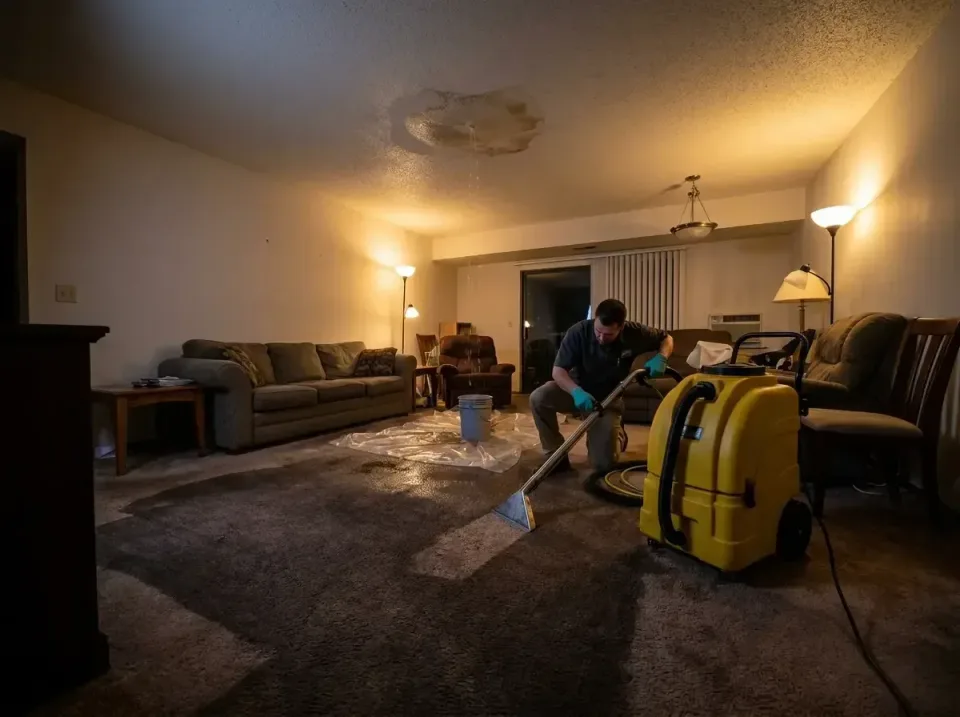
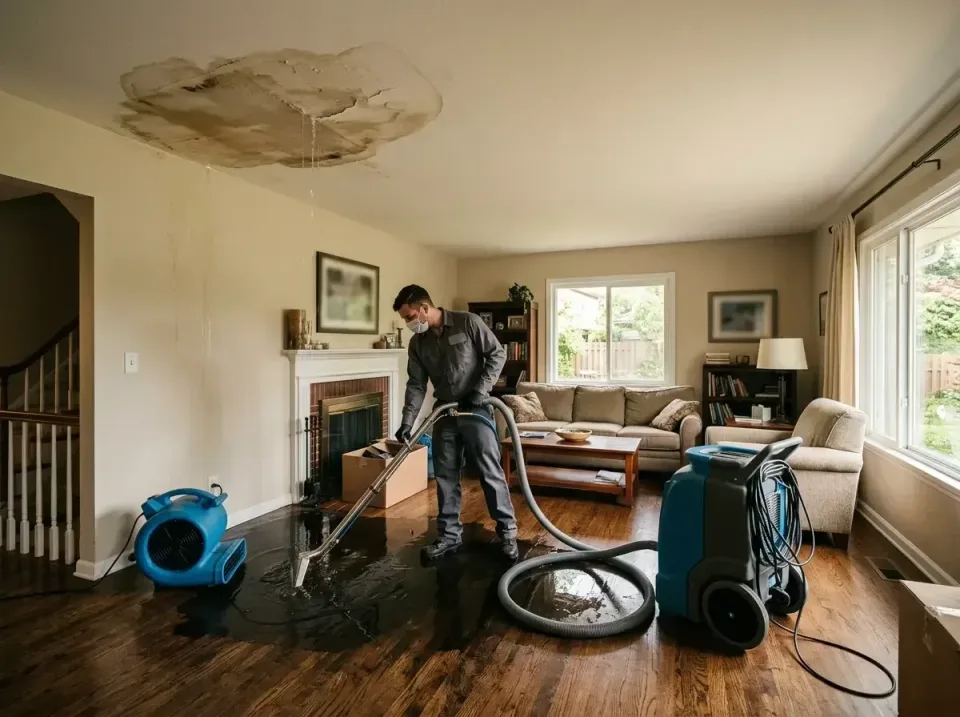
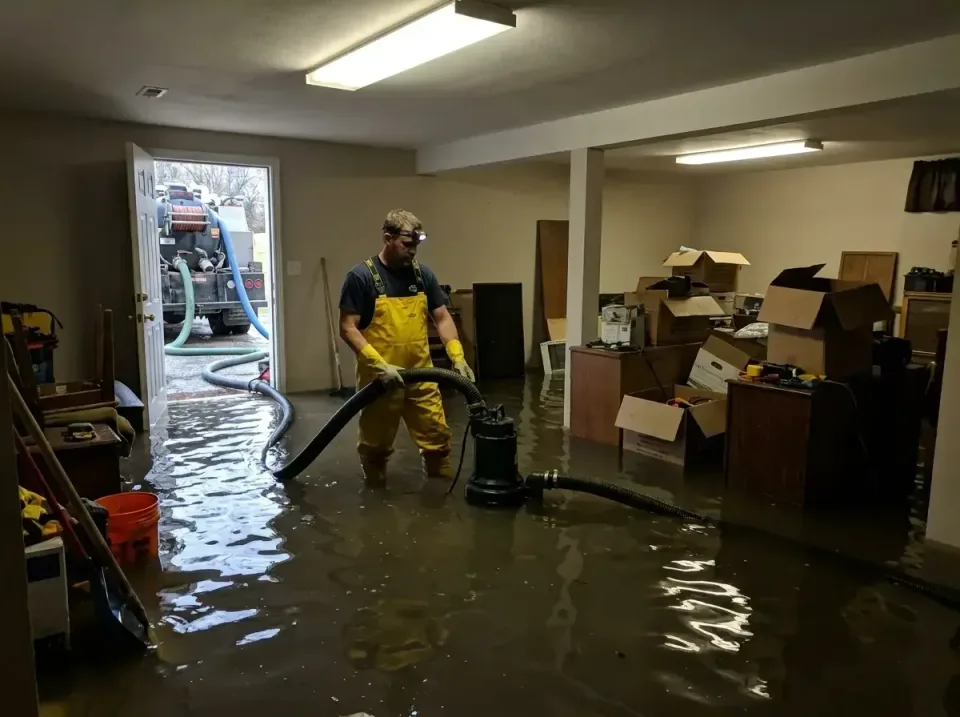
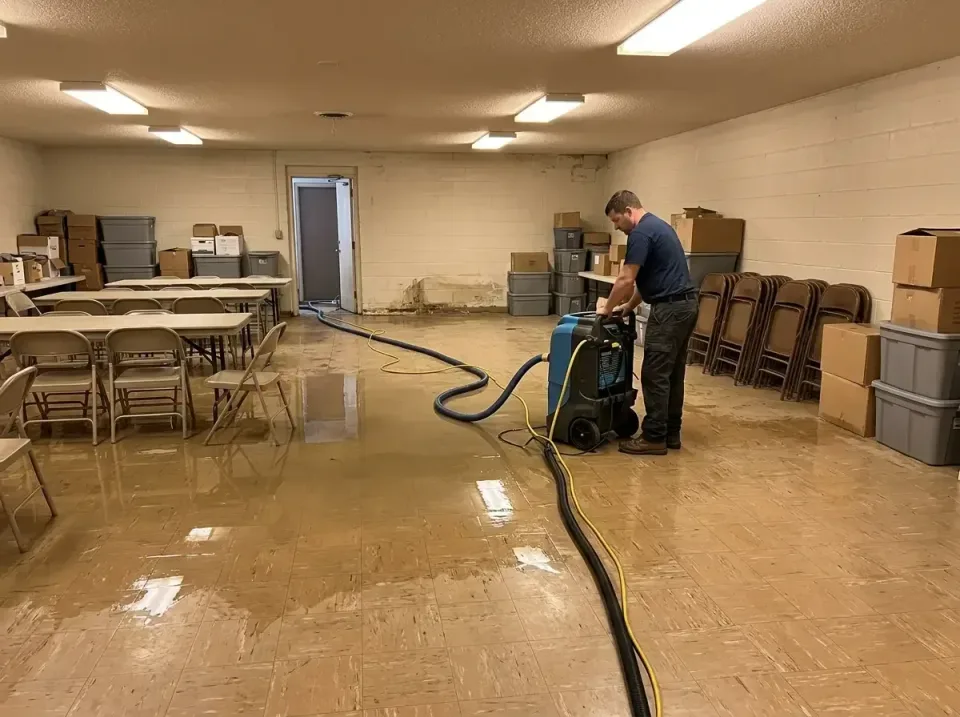
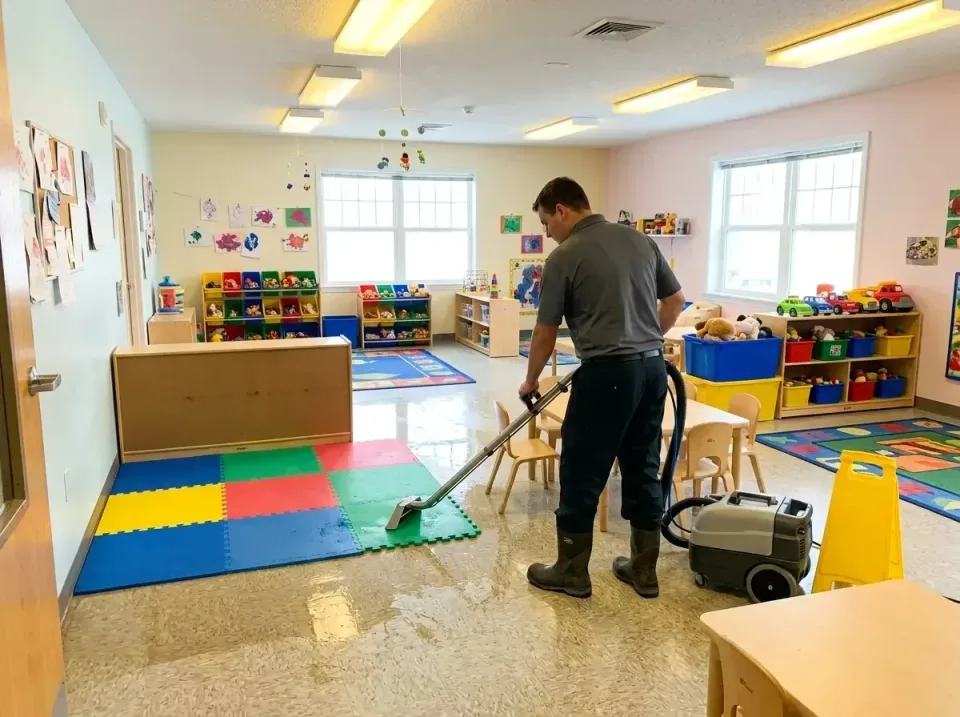
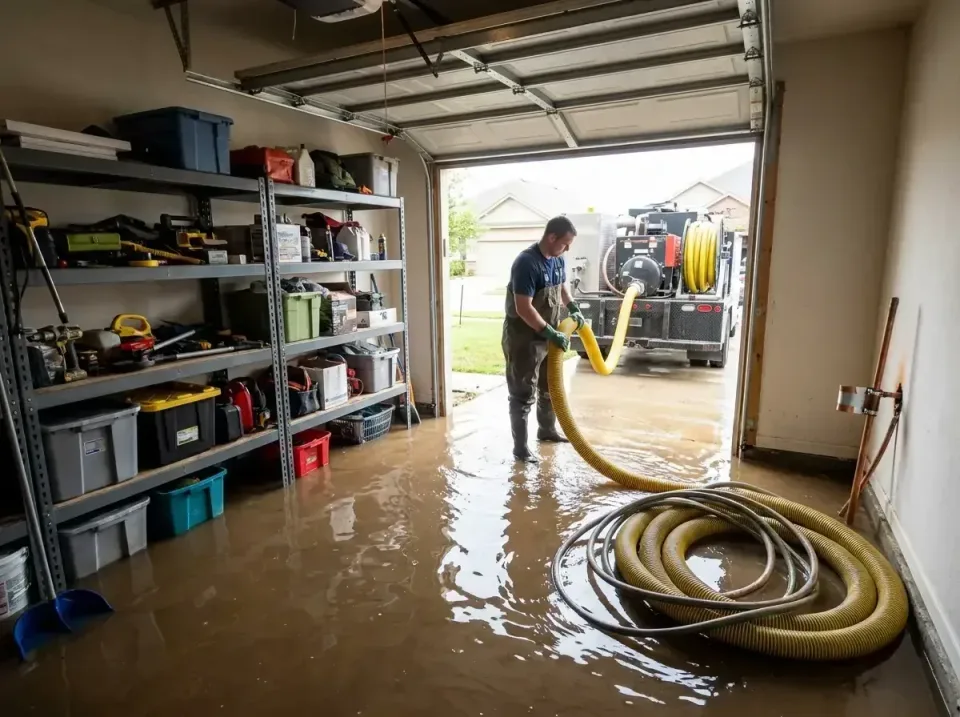
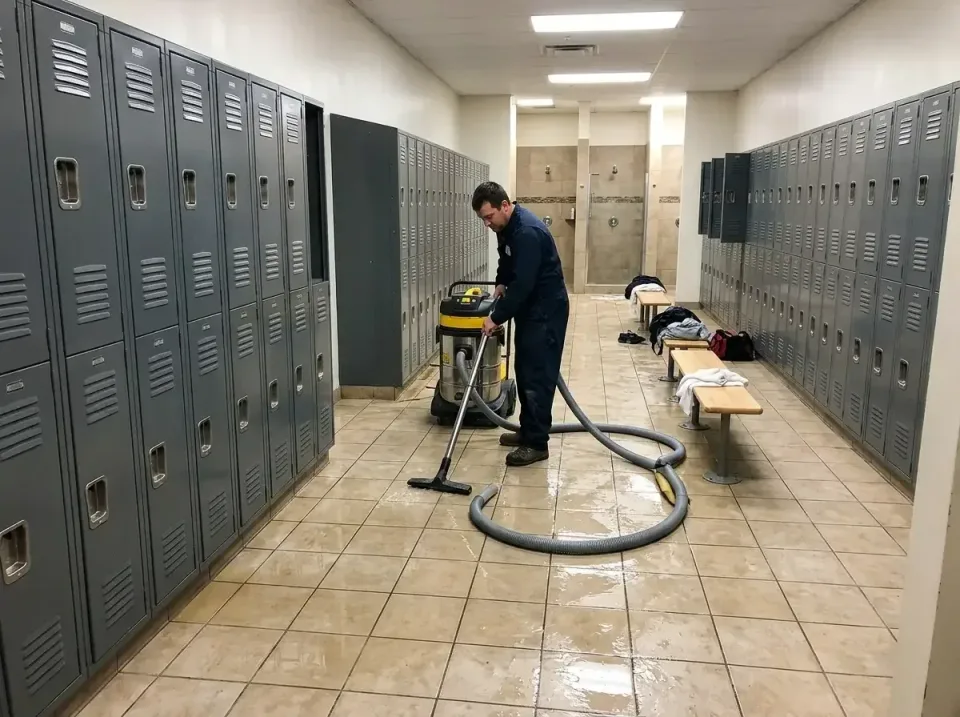
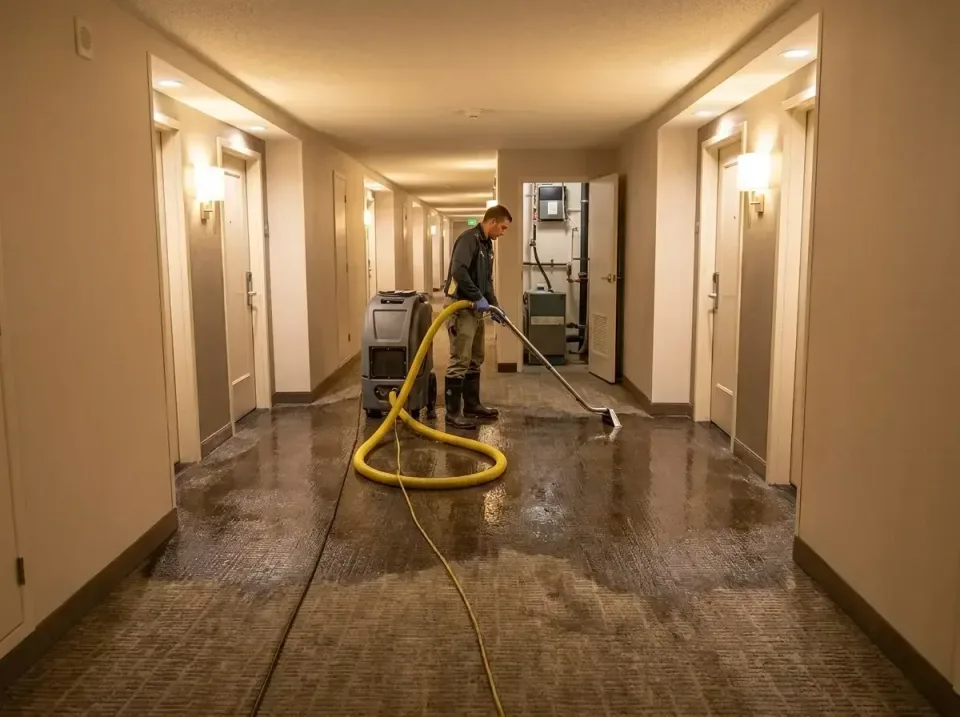
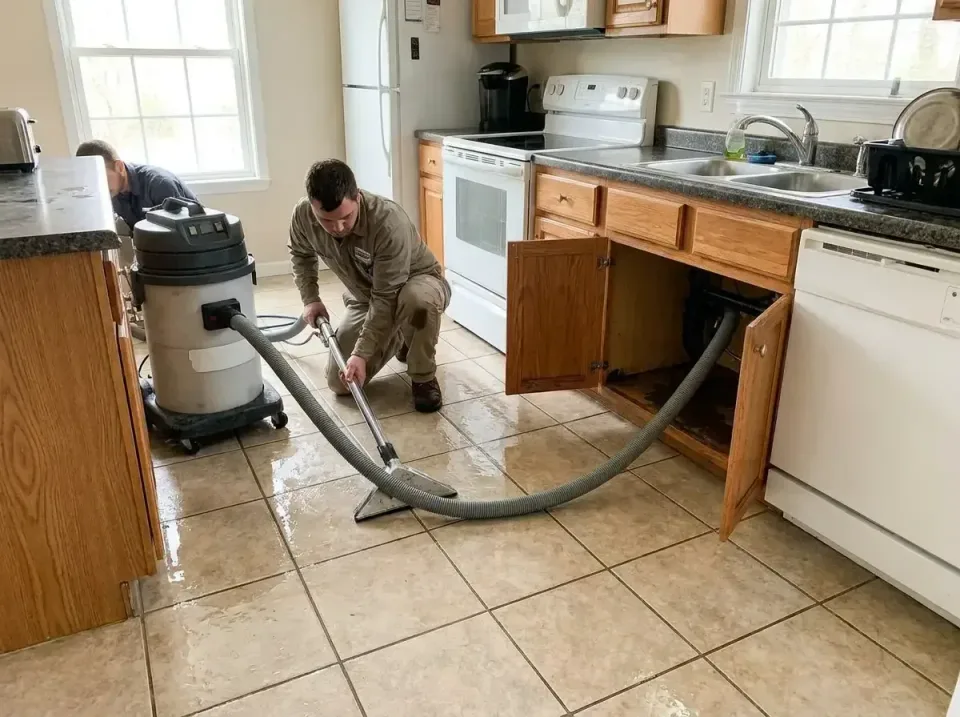
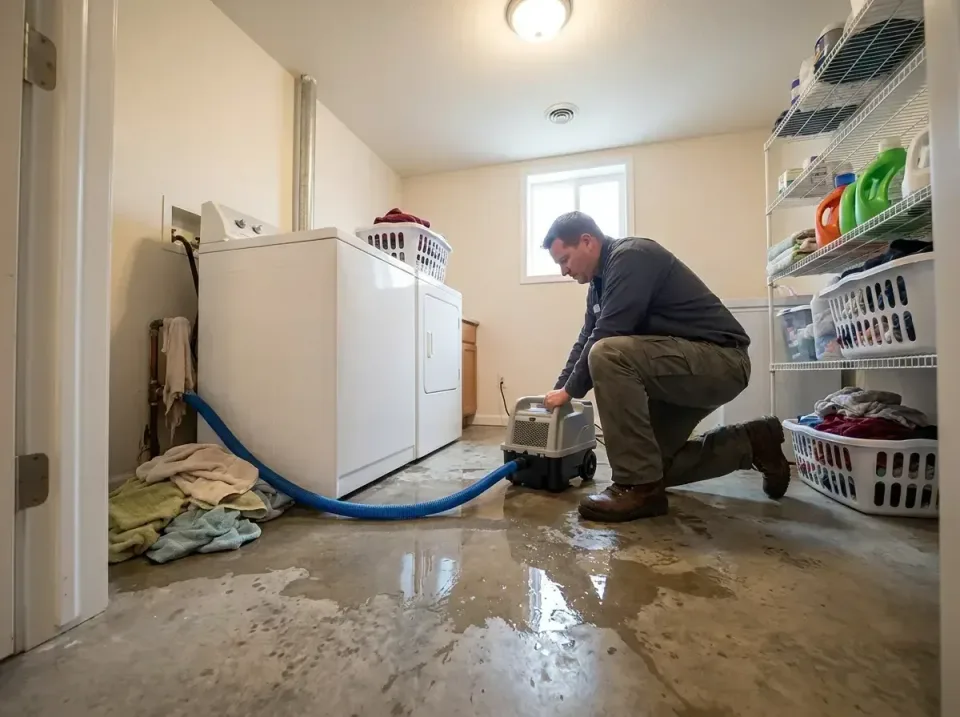
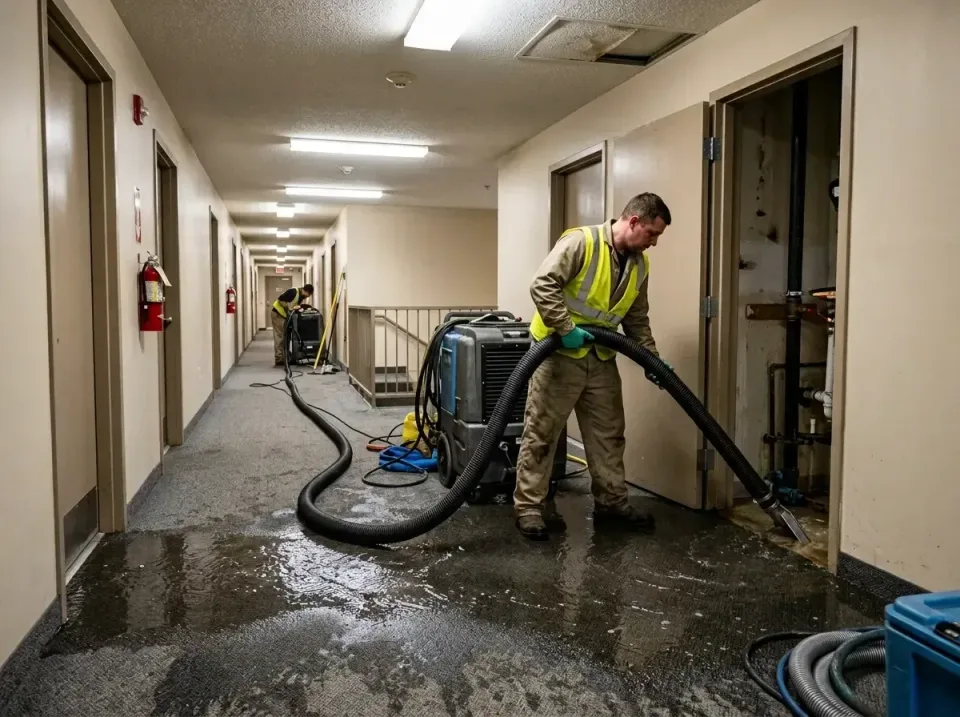
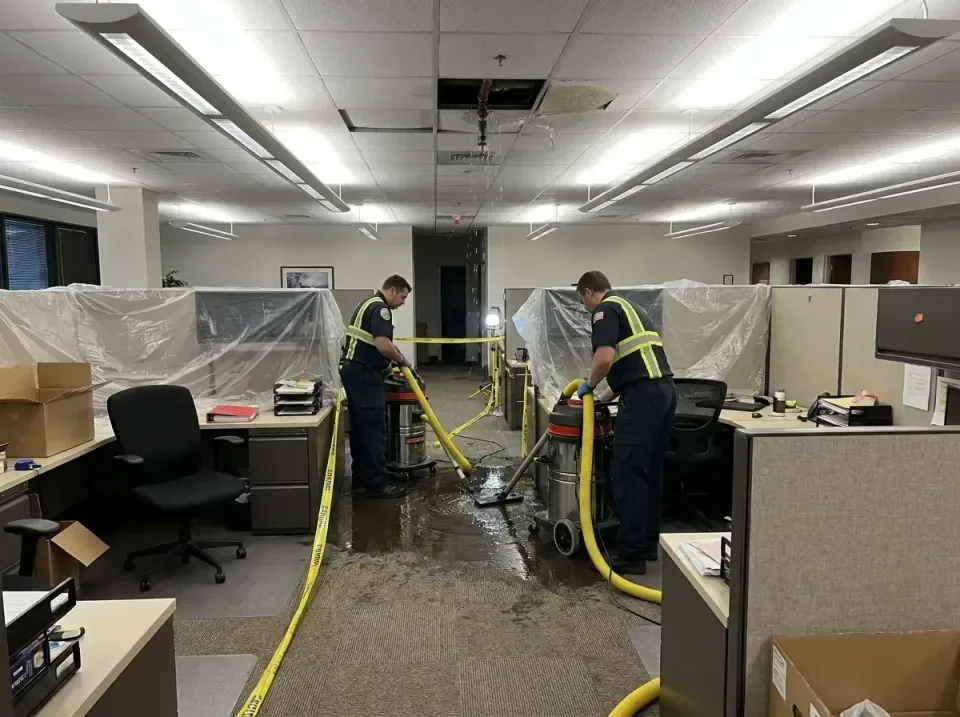
Recent 24 hour emergency water extraction services project photos in Denver.
Browse by State
Select your region to see local 24 hour emergency water extraction services providers and cities we cover.
Request a Quote in Denver
Fill in the details below and a local 24 hour emergency water extraction services provider will follow up. Or call us directly: (833) 710-2743
Need 24 Hour Emergency Water Extraction Services in Denver?
Call or email us directly — we'll get back to you fast.