How Fast Should a Home Be Dried After Water Damage?
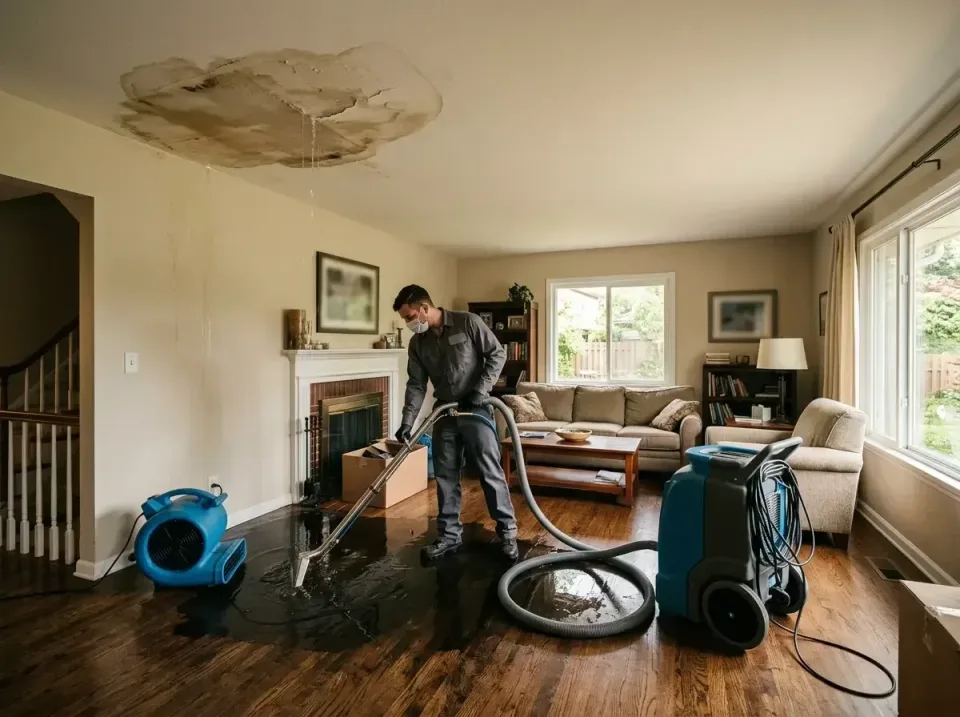
Black Water and Gray Water Drying Timelines
A wet home should begin drying immediately, with the EPA mold-growth prevention window generally limited to 24–48 hours. Musty odor after carpet drying often means moisture remains below the visible surface.
Denver homes can hide water beneath furniture, flooring, and wall cavities. Black water means sewage or floodwater, while gray water means contaminated household wastewater.
Those sources need different handling, protective measures, and disposal decisions. Do not energize wet electrical systems or walk through sewage-contaminated areas.
Water & Mold Removal Contractors provides all service areas for homeowners needing a documented drying plan. Photograph conditions before moving contents, then arrange extraction and inspection promptly.
Five Drying Facts for Denver Homes
-
Odor: A musty smell after carpet drying can indicate damp padding or subfloor materials beneath the carpet.
-
Stains: Brown water stains spreading across drywall require moisture checks behind the visible mark, not just surface wiping.
-
Furniture: Soggy flooring beneath furniture often needs furniture elevation and focused airflow around blocked edges.
-
Equipment: Extraction removes standing water, while a dehumidifier removes moisture from indoor air and building materials.
-
Contamination: Category 3 means grossly contaminated water, so contents pack-out and controlled handling may be safer than household cleaning.
Denver technicians commonly use moisture mapping to document wet materials and follow the ANSI/IICRC S500 Standard for Professional Water Damage Restoration. Water damage restoration process guidance can help homeowners understand why drying equipment stays in place until readings support the drying goal.
Start Drying Before Stains Spread
Brown water stains spreading across a ceiling or wall usually signal moisture moving through porous materials. Source control comes first: stop the leak, shut off affected utilities, and avoid covering the area with fresh paint.
A Category 2 water loss may come from a contaminated appliance or overflow. Extraction removes standing water, but saturated drywall, insulation, carpet pad, and flooring may need separate inspection.
The IICRC S500 professional water damage restoration standard supports documenting conditions, equipment placement, and drying progress. Water damage insurance claim assistance can also help organize photos, moisture records, and scope information before repairs begin.
Why Carpet Can Feel Dry While the Floor Stays Wet
Carpet and pad extraction can remove visible water while moisture remains at the tack strip, subfloor, or beneath cabinets. A truck-mounted extractor provides high-volume water recovery, while a portable unit reaches confined rooms and stair areas.
Technicians compare affected materials with unaffected areas rather than relying on touch. A moisture meter, thermal imaging camera, and daily readings help identify wet zones that a homeowner may miss.
If warped hardwood planks or delamination appear, aggressive heat can worsen movement or damage finishes. Controlled airflow and measured humidity are safer than placing household heaters against the floor.
The 24–48 Hour Mold-Prevention Window
The EPA identifies 24–48 hours as an important mold-growth prevention drying window. That period is not a promise that every home dries within two days; concrete, insulation, wall cavities, and Class 3 losses can take longer.
Category 3 water means sewage and floodwater, requiring stronger contamination controls than Category 2 water. Workers may use containment, protective equipment, and a HEPA air scrubber before removing affected porous contents.
For sewage backup cleanup, local wastewater rules prohibit untreated sewage discharge. Water damage cleanup practices can provide useful context for separating recovered water, contaminated materials, and clean work areas.
When DIY Drying Is Not Enough
A household wet vacuum may handle a small clean-water spill on hard flooring. It cannot verify moisture inside walls, beneath flooring, or in insulation, and it usually lacks the airflow and humidity control needed for structural drying.
Residential water extraction becomes more involved when water pools near the foundation, bubbling paint appears, or gurgling drains and sewage smell suggest contamination. A professional assessment can identify whether demolition, antimicrobial treatment, or contents drying is appropriate.
Commercial structural drying may also be needed in multifamily apartment properties, retail stores, or schools. The practical stopping point is measured moisture: materials should approach unaffected-material levels, not merely feel dry.
Drying Equipment Options and 10–20 Gallon Extractors
The right option depends on water volume, access, and contamination. Portable extractors commonly use 10–20 gallon tanks, while truck-mounted systems favor volume and long hose runs.
Floor-level drying often uses 6–12 inch air movers. An LGR dehumidifier can remove 70–100 pints daily under suitable conditions, but placement and room conditions affect performance.
Category 2 versus Category 3 changes containment, protective procedures, and disposal. Category 3 containment keeps sewage cleanup equipment away from clean zones.
| Option | Best for | Key detail |
|---|---|---|
| Residential water extraction | Small clean-water losses | Portable access and focused removal |
| Truck-mounted extraction | Larger rooms | Volume advantage over portable units |
| Carpet and pad extraction | Wet soft flooring | Requires subfloor moisture checks |
| Basement dehumidification | Lower-level moisture | LGR control supports longer drying |
| Sewage backup cleanup | Category 3 water | Containment and disposal controls |
Five Steps for Residential Water Extraction
-
Check hazards: Stop the source, perform the initial extraction shutoff and hazard check, and avoid wet electrical systems.
-
Coordinate utilities: Confirm electricity and water access before equipment placement, especially near water pooling near the foundation.
-
Protect contents: Photograph conditions, elevate furniture, and move belongings into climate-controlled contents staging when needed.
-
Place equipment: Set air movers along perimeter walls and airflow paths, leaving clear routes around each machine.
-
Measure progress: Record moisture readings during every inspection and adjust equipment as readings change.
-
Inspect deeper areas: Class 3 losses involve substantial water absorption, while crawl-space drying may cost $1,000–$4,000 because access and insulation damage complicate the work.
For a clean-water loss, emergency extraction planning can help homeowners prepare questions about access, equipment, and documentation.
Drying Costs, Equipment, and the 24–48 Hour Window
Room extraction commonly runs $500–$1,500, with water volume and flooring affecting labor. Truck systems may use 2–4 inch hoses and 500–3,000 CFM equipment when access and recovery needs increase.
Basement drying commonly ranges from $1,500–$5,000 because square footage and moisture depth change equipment duration. Sewage cleanup commonly ranges from $2,000–$10,000 because contamination and demolition add handling requirements.
Mold remediation may range from $1,500–$6,000, while commercial drying may range from $3,000–$15,000. Crawl-space drying commonly ranges from $1,000–$4,000, with regional labor and access conditions affecting the total.
Beginning within the EPA’s 24–48 hour mold-growth prevention window may reduce secondary damage, but drying time still depends on material moisture and ventilation. Final quotes vary by scope, access, contamination, materials, and drying time.
Moisture Mapping Before Removing Walls
A home can look dry while moisture remains behind trim, under cabinets, or beneath flooring. Moisture mapping and daily readings show where drying is working and where secondary damage may continue.
A psychrometer measures temperature and humidity, while an air mover creates high-velocity drying airflow. Together, those readings help technicians adjust equipment instead of guessing.
The IICRC recognizes three categories for water contamination and four classes for evaporation conditions. Those classifications influence containment, material removal, and the length of monitoring.
Technicians should record moisture readings during every inspection. A room that smells clean can still have damp insulation or subfloor materials.
Common mistake: Removing equipment because the carpet feels dry before wall cavities and flooring reach comparable moisture levels.
Moisture detection and drying examples can help explain why professional documentation continues after visible water disappears.
A Safer Drying Plan for Denver Homes
Start extraction immediately and aim to address moisture within the EPA’s 24–48 hour mold-growth prevention window. Soggy flooring beneath furniture, bubbling paint or drywall, and a musty odor after carpet drying all deserve a deeper inspection.
Category 3 losses require sewage-contaminated protective procedures, not ordinary household cleaning. Odor removal and deodorization should follow source removal and verified drying.
In Denver, CO, Water & Mold Removal Contractors can help document affected materials, identify hidden moisture, and coordinate the next repair step. Emergency water restoration resources may help homeowners compare practical preparation questions.
Call Water & Mold Removal Contractors at (833) 710-2743 with the water source, affected rooms, and visible symptoms ready. A clear assessment is the next step toward safe drying.
Services We Offer in Denver
Explore related services available in Denver.
Homeowners, contractors, and property managers book Denver structural drying for wet floors, walls, contents, and hidden moisture.
Homeowners, property managers, and contractors book Denver wet carpet cleaning, steam sanitization, padding drying, and odor control.
Denver homeowners, contractors, and property managers book us to extract wet carpet padding and dry affected subfloors.
Homeowners and property managers book Denver carpet extraction, pad drying, and moisture checks after leaks or flooding.
Homeowners, property managers, and contractors book Denver mold remediation for inspection, containment, removal, and cleanup.
Homeowners and property managers book Denver mold removal for damp walls, crawl spaces, and hidden moisture after water damage.
Homeowners, contractors, and property managers book Denver mold inspections, moisture mapping, and indoor air-quality testing.
Denver homeowners, property managers, and contractors book flood cleanup for extraction, structural drying, and moisture control.
Homeowners and property managers book Denver sewage cleanup for black-water extraction, containment, drying, and sanitization.
Home cleanouts and moves in Denver need driveway-friendly placement and the right container size — basement water extraction & dehumidification without surprise reload fees.
Homeowners book Denver residential water damage cleanup for extraction, drying, moisture checks, and affected carpet or flooring.
Commercial extraction and structural drying for Denver property managers, contractors, hotels, offices, and retail facilities.
Homeowners, contractors, and property managers book Denver humidity control for damp rooms, basements, crawl spaces, and water-damaged contents.
Homeowners, contractors, and property managers book Denver moisture inspections to locate hidden dampness, mold risks, and wet building materials.
Homeowners and property managers book Denver antimicrobial treatment to sanitize water-affected surfaces and reduce lingering odors.
Homeowners, property managers, and contractors book Denver odor removal for musty carpets, sewage smells, and moisture-damaged contents.
Homeowners, property managers, and contractors book Denver upholstery and rug extraction after leaks, floods, or contaminated water.
Homeowners, contractors, and property managers book Denver storm flood drying for wet structures, contents, and saturated flooring.
Denver homeowners, contractors, and property managers book sewage and floodwater cleanup with controlled containment and structural drying.
Homeowners, property managers, and contractors book Denver gray water extraction for contaminated household wastewater and structural drying.
Local crawl space water extraction & drying for Denver with clear pricing drivers, weight limits, and scheduling you can plan around.
Homeowners, contractors, and property managers book Denver claim assistance for documented water-loss repairs and drying.
Storm and disaster debris in Denver needs fast placement and weight planning — emergency flood response & water removal with emergency scheduling options.
Denver homeowners, contractors, and property managers book contents drying after water damage affects belongings or furnishings.
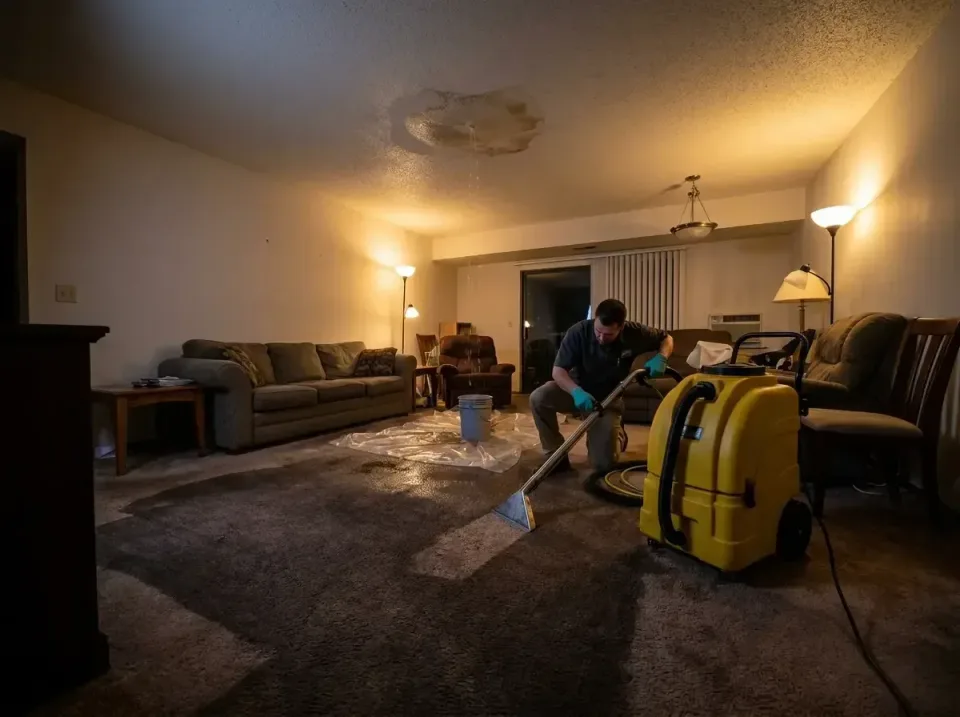
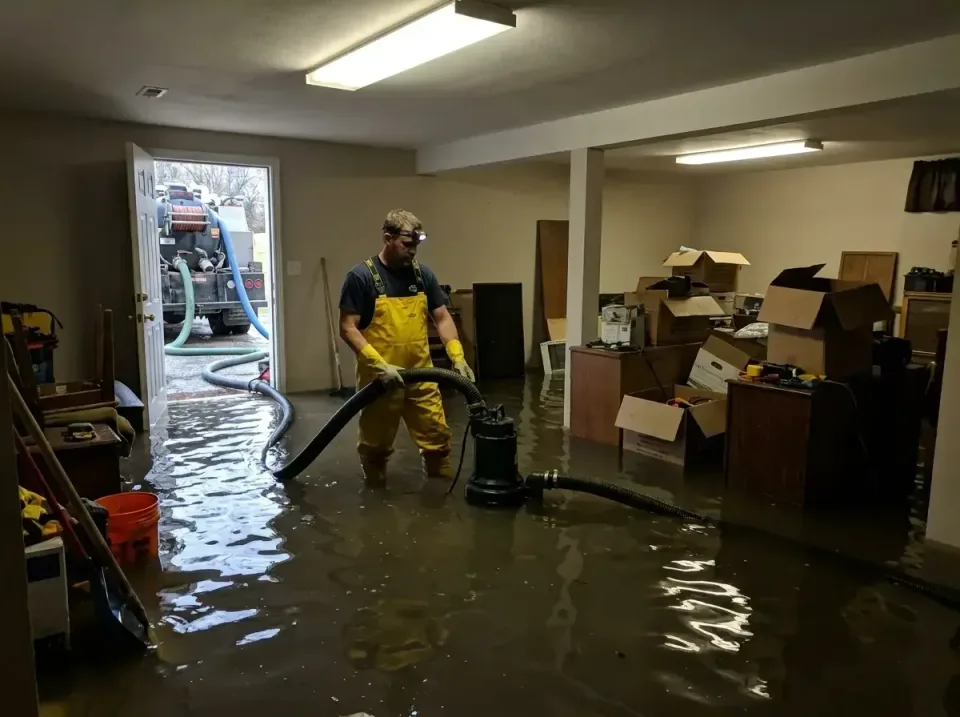
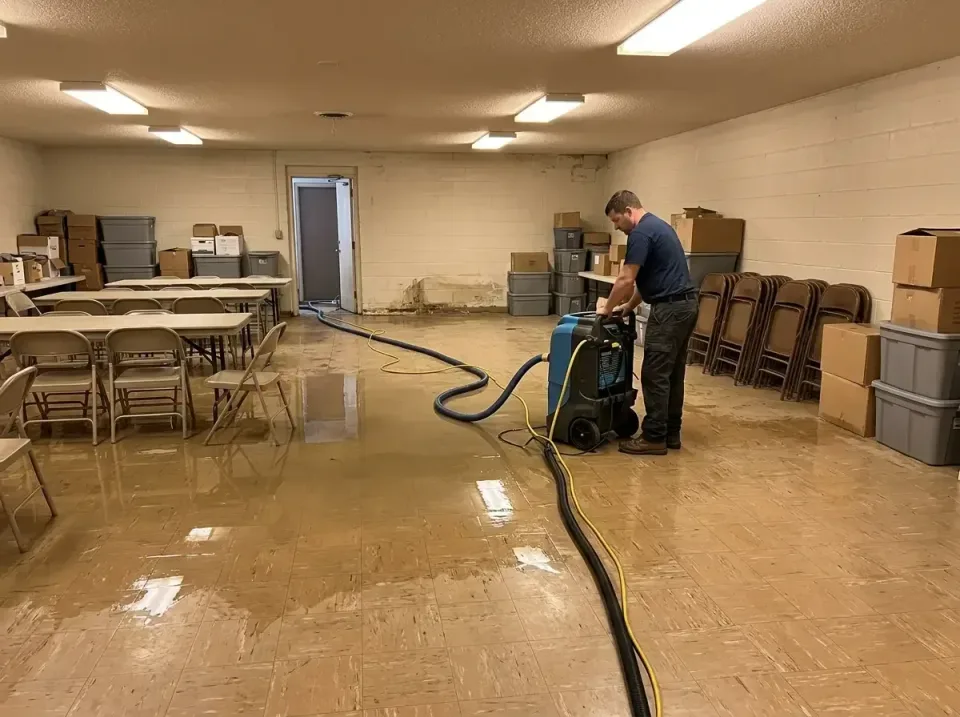
Recent Projects Gallery
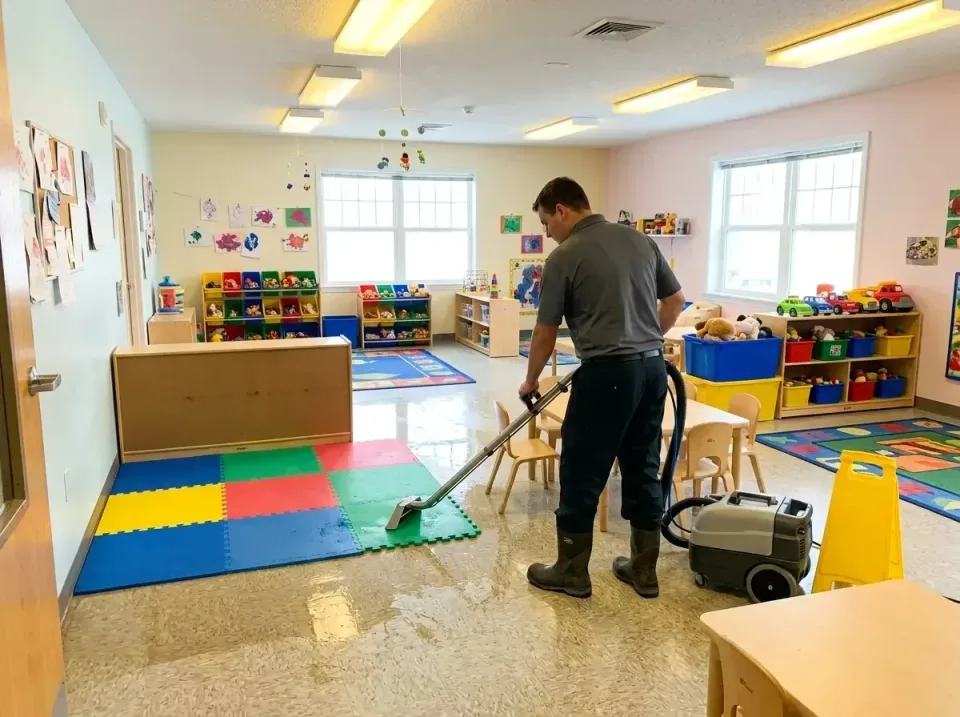
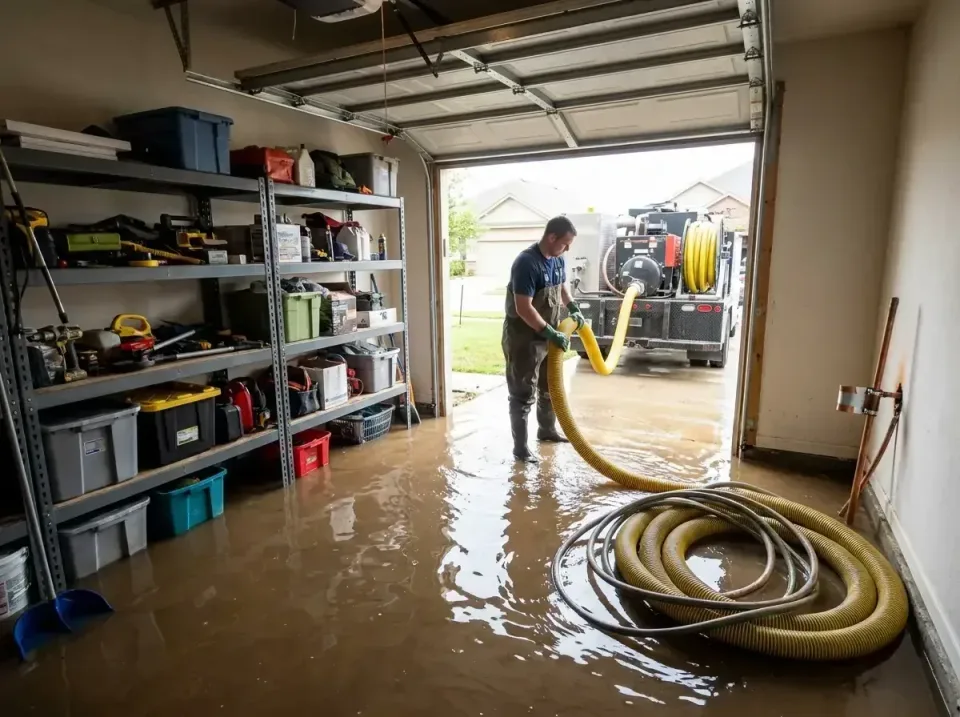
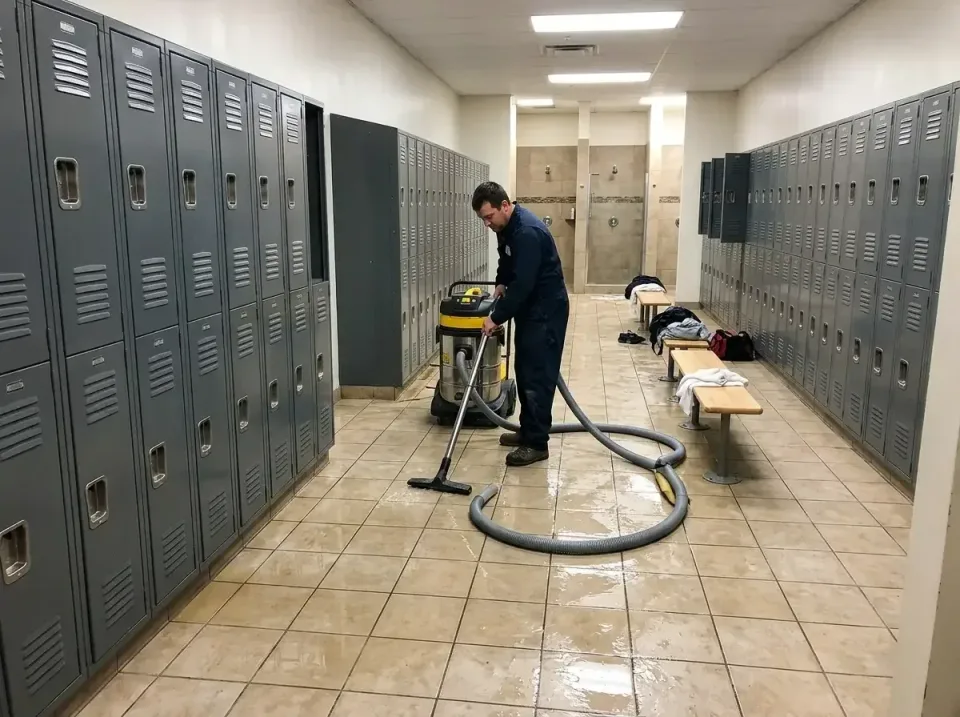
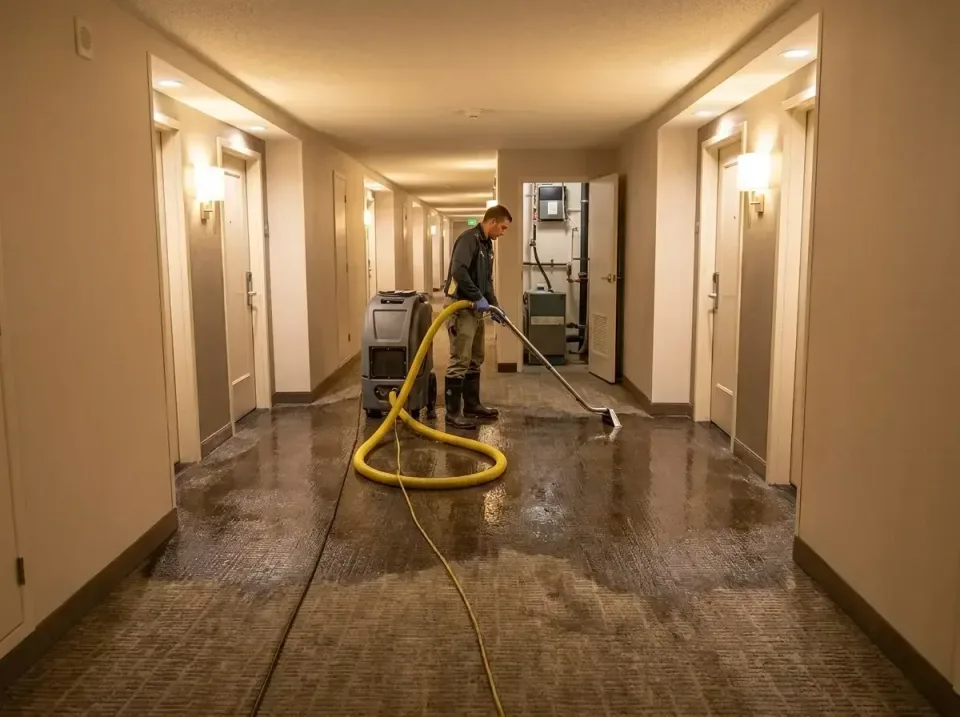
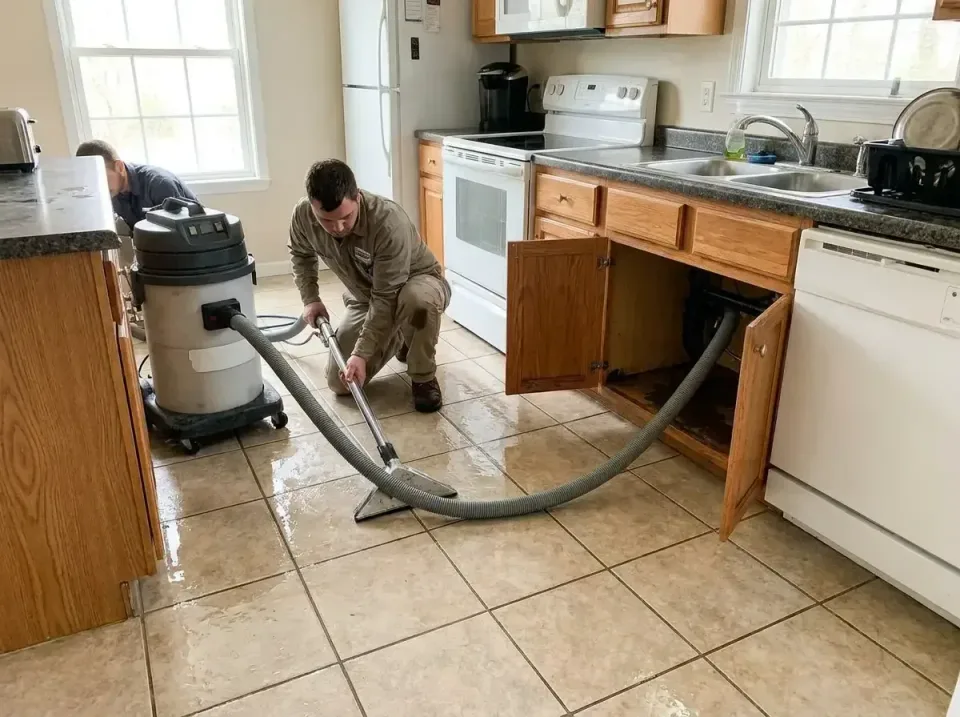
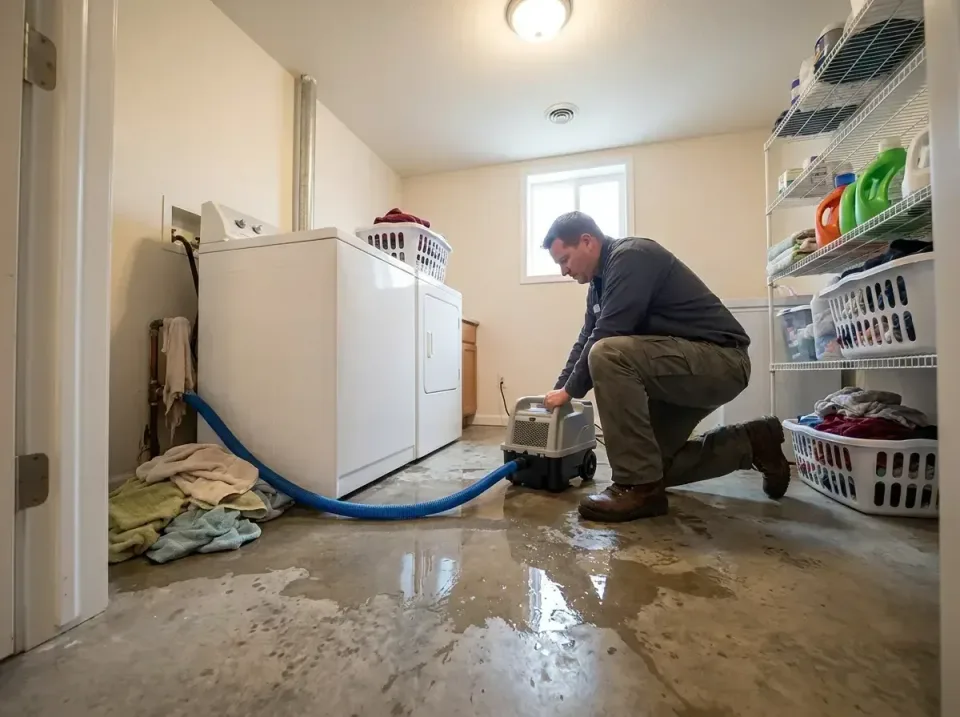
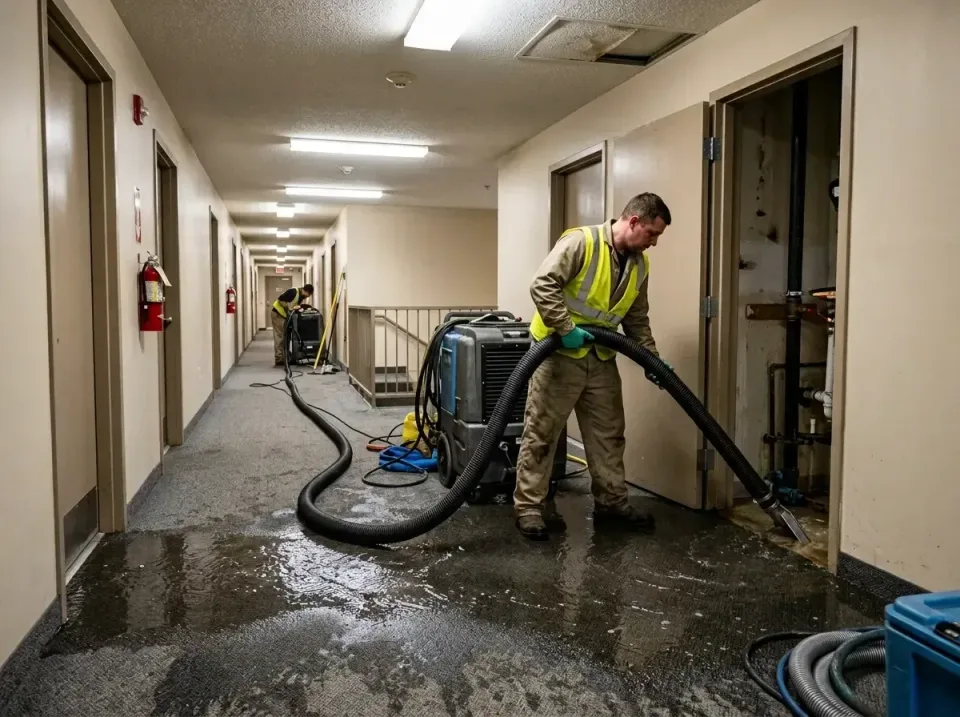
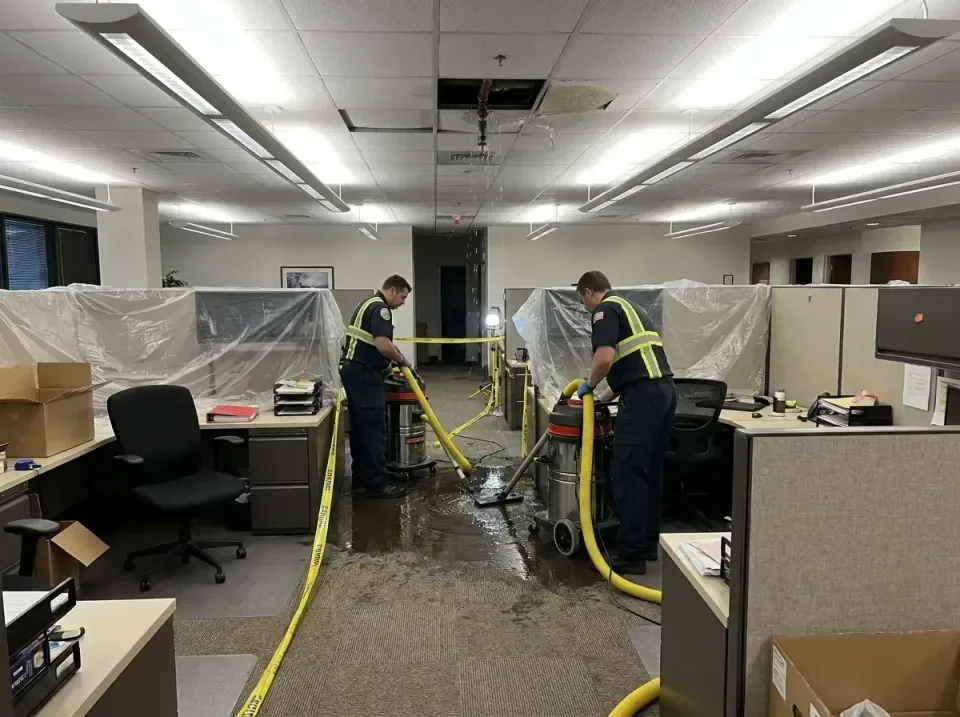
Recent 24 hour emergency water extraction services project photos in Denver.
Browse by State
Select your region to see local 24 hour emergency water extraction services providers and cities we cover.
Request a Quote in Denver
Fill in the details below and a local 24 hour emergency water extraction services provider will follow up. Or call us directly: (833) 710-2743
Need 24 Hour Emergency Water Extraction Services in Denver?
Call or email us directly — we'll get back to you fast.