Why Musty Odors Return After Carpet Water Extraction
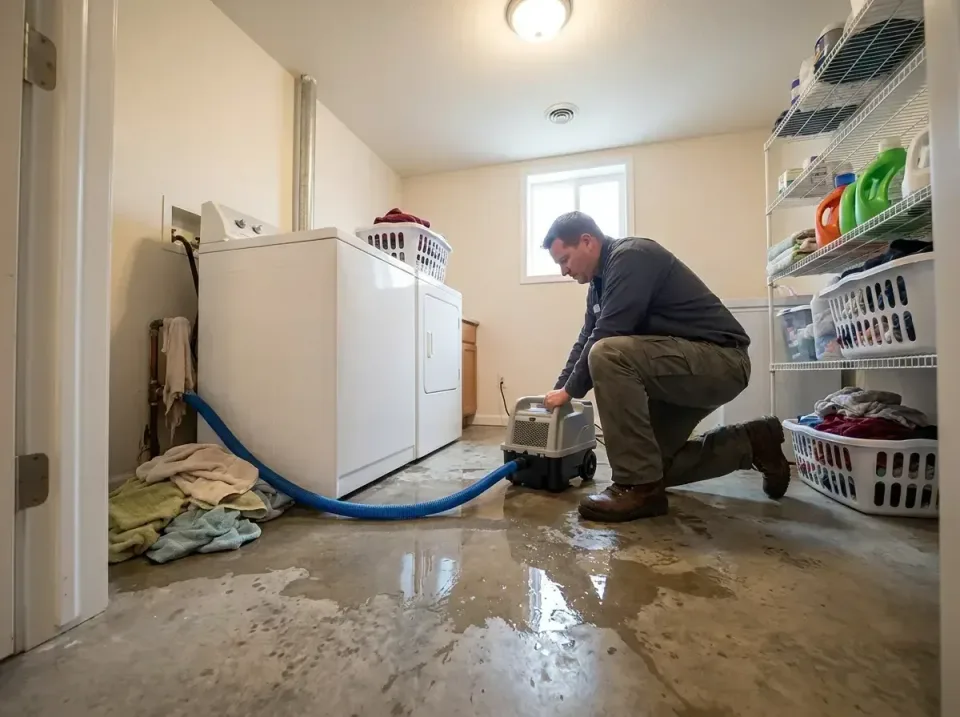
Musty Carpet Odor and Brown Stains After Extraction
Why does a musty odor return after carpet water extraction? Usually, moisture remains in padding, tack strips, or the subfloor, where surface drying cannot reach it.
The EPA mold-growth prevention window is roughly 24–48 hours, so delayed drying can allow odor-producing growth. Denver’s dry climate helps, but enclosed flooring layers can still hold moisture.
Brown water stains spreading across carpet edges can signal wicking from a wet pad or subfloor. Cleaning the carpet alone may hide the smell briefly without removing its source.
A proper inspection checks carpet, padding, flooring, and nearby walls. Water & Mold Removal Contractors provides all service areas while assessing whether extraction, structural drying, or mold work fits the damage.
If odor returns after cleaning, stop adding fragrance products. Document the affected rooms and request moisture testing before replacing carpet.
Five Denver Carpet Drying Takeaways
-
Odor source: A psychrometer measures temperature and humidity, helping identify air conditions that keep carpet materials damp.
-
Foundation warning: Water pooling near a foundation can keep lower walls and flooring wet, even after visible carpet water disappears.
-
Contamination level: IICRC recognizes three categories of water contamination, so cleanup procedures change when wastewater is involved.
-
Hidden growth: Visible mold around vents suggests air movement may be distributing particles from a concealed damp area.
-
Proper removal: Extraction means removing standing water, while drying requires controlled airflow and humidity reduction; professional drying practices help separate those tasks.
A moisture map records wet materials instead of relying on touch. This documentation helps determine whether carpet, padding, drywall, or subfloor access is necessary.
Why Carpet Smells Musty After It Feels Dry
Carpet can feel dry while padding and the subfloor remain damp. Fibers release surface moisture first, but dense padding slows evaporation beneath furniture, along tack strips, and near walls.
Residential water extraction removes bulk water, yet drying still requires equipment and measurements. A moisture meter checks materials directly, while thermal imaging locates temperature differences that may reveal concealed wet areas. The ANSI/IICRC S500 professional water damage restoration standard emphasizes documenting conditions and drying progress rather than judging completion by touch.
Brown stains that spread after extraction often indicate dissolved soil, wicking, or moisture moving through unfinished flooring. Moisture inspection guidance for water damage can help homeowners understand why surface cleaning does not replace material testing.
Carpet Padding, Subfloors, and Furniture Problems
Soggy flooring beneath furniture is easy to miss because heavy pieces block airflow. Furniture should be moved or elevated carefully, with photographs taken first, so technicians can inspect the carpet edge, pad, baseboard, and subfloor.
Carpet and pad extraction may be enough for a small clean-water release when the subfloor remains sound. Category 2 water, such as contaminated appliance or overflow water, requires more careful handling because porous materials may retain contaminants after drying.
A portable extractor offers access in tight rooms, while truck-mounted equipment handles greater water volume. The better choice depends on hose access, building layout, flooring type, and the amount of recovered water requiring a proper extraction and disposal stream.
When Odor Means More Than Wet Carpet
Visible mold around vents, bubbling paint, or odor returning after repeated cleaning can indicate damp drywall or air movement from a concealed cavity. Mold remediation should follow assessment and source control, not begin with household sprays.
The ANSI/IICRC S520 mold remediation standard addresses containment and removal practices. A HEPA air scrubber may control airborne particles during work, while antimicrobial treatment is considered only after the moisture source is corrected and occupants approve its use.
A gurgling drain or sewage smell changes the job completely. Sewage backup cleanup involves contaminated materials, protective procedures, and disposal controls; homeowners should avoid spreading wastewater with fans or household vacuums.
When to Call Water & Mold Removal Contractors
DIY wet vacuuming can remove some water, but it usually cannot verify wall, pad, or subfloor moisture. Call Water & Mold Removal Contractors when odor returns, stains spread, flooring remains soft, or water reached electrical areas.
Technicians can perform an initial inspection, moisture mapping, controlled extraction, and drying verification. Insurance documentation may include photographs and moisture logs, which help clarify the scope before repairs begin.
A room extraction commonly falls within $500–$1,500 when water volume and flooring are limited. If hidden materials, contamination, or demolition are involved, the work expands beyond carpet cleaning and should be scoped before equipment is removed.
Carpet Extraction Options and Drying Equipment
The correct option depends on access, contamination, and the materials holding moisture. Category 2 versus Category 3 work requires different controls, disposal methods, and protective procedures.
Truck-mounted extraction provides volume through 2–4 inch hoses, while portable units fit confined rooms. Water restoration equipment comparisons can clarify why access sometimes matters more than machine size.
| Option | Best for | Key detail |
|---|---|---|
| Carpet and pad extraction | Wet residential carpet | Targets porous carpet and padding |
| Portable extractor | Tight rooms | Typically uses 10–20 gallon tanks |
| Truck-mounted extraction | Larger water volumes | High recovery volume; 2–4 inch hoses |
| Category 3 containment | Sewage backup cleanup | Separates contaminated work areas |
| LGR dehumidifier | Damp structures | Often rated 70–100 pints daily |
A musty odor after ordinary cleaning often means the job needs subfloor inspection or controlled demolition.
Six Steps for Carpet Water Extraction
-
Check utilities: Complete utility coordination, shut off the source, and never energize wet electrical systems.
-
Classify water: A sanitary supply-line leak may be Category 1, while sewage and floodwater require Category 3 precautions.
-
Extract water: Use a truck-mounted extractor for high-volume recovery or a portable unit where access is limited.
-
Elevate furniture: Place blocks beneath furniture legs so air can reach carpet edges and flooring.
-
Place equipment: Set air movers along perimeter walls and airflow paths, while maintaining clear routes.
-
Monitor progress: Record moisture readings during each inspection and photograph conditions before moving contents; water extraction planning resources can help explain the sequence.
Carpet Odor Removal Cost Ranges
-
Room extraction: $500–$1,500: Water volume and flooring condition usually drive a limited-room cleanup.
-
Basement drying: $1,500–$5,000: Square footage and retained moisture affect equipment duration.
-
Sewage cleanup: $2,000–$10,000: Contamination and demolition can expand the scope quickly.
-
Mold remediation: $1,500–$6,000: Affected materials and containment influence the estimate.
-
Commercial structural drying: $3,000–$15,000: Occupancy demands and equipment duration affect larger properties.
-
Contents drying and restoration: Pack-out, sorting, and climate-controlled handling add labor when belongings are affected.
Class 3 losses involve substantial water absorption and may require more removal than carpet extraction alone. Regional labor and disposal practices also affect totals. Final quotes vary by scope, access, contamination, materials, and drying time.
A 24-Hour Drying Check for Returning Odors
“A recurring smell usually means the drying goal was never verified. Source control comes first, because secondary damage can continue while equipment only moves air.”
Check concealed padding, baseboards, and subfloor edges before applying deodorizer. Containment limits airborne contamination spread when materials must be opened.
Gray water is contaminated household wastewater and should not be handled like a clean supply leak. Category 3 water is grossly contaminated, so affected porous materials may require removal rather than repeated cleaning.
The 24–48 hour EPA mold-growth prevention window makes prompt inspection useful, but drying must still be confirmed with readings. A dehumidifier removes moisture from air; an air mover only increases directed airflow.
Common mistake: Running fans over wet carpet without checking the pad, subfloor, and humidity.
Stop Returning Odors at the Moisture Source
A musty smell returns when moisture, contamination, or odor-producing material remains below the carpet surface. Repeated deodorizing cannot correct wet padding, warped hardwood planks, or damp drywall.
Mold inspection and air-quality testing can help when odor persists or vents show visible growth. Antimicrobial treatment and sanitization may follow source removal, while odor removal and deodorization address remaining smells.
Gurgling drains and sewage smell require sewage backup cleanup rather than routine carpet cleaning. Denver homeowners can review water damage service information while comparing the type of response their symptoms require.
Start by photographing stains, avoiding wet electrical areas, and noting when the odor returns. Water & Mold Removal Contractors can inspect the affected materials and outline the next practical step.
Services We Offer in Denver
Explore related services available in Denver.
Homeowners, contractors, and property managers book Denver structural drying for wet floors, walls, contents, and hidden moisture.
Homeowners, property managers, and contractors book Denver wet carpet cleaning, steam sanitization, padding drying, and odor control.
Denver homeowners, contractors, and property managers book us to extract wet carpet padding and dry affected subfloors.
Homeowners and property managers book Denver carpet extraction, pad drying, and moisture checks after leaks or flooding.
Homeowners, property managers, and contractors book Denver mold remediation for inspection, containment, removal, and cleanup.
Homeowners and property managers book Denver mold removal for damp walls, crawl spaces, and hidden moisture after water damage.
Homeowners, contractors, and property managers book Denver mold inspections, moisture mapping, and indoor air-quality testing.
Denver homeowners, property managers, and contractors book flood cleanup for extraction, structural drying, and moisture control.
Homeowners and property managers book Denver sewage cleanup for black-water extraction, containment, drying, and sanitization.
Home cleanouts and moves in Denver need driveway-friendly placement and the right container size — basement water extraction & dehumidification without surprise reload fees.
Homeowners book Denver residential water damage cleanup for extraction, drying, moisture checks, and affected carpet or flooring.
Commercial extraction and structural drying for Denver property managers, contractors, hotels, offices, and retail facilities.
Homeowners, contractors, and property managers book Denver humidity control for damp rooms, basements, crawl spaces, and water-damaged contents.
Homeowners, contractors, and property managers book Denver moisture inspections to locate hidden dampness, mold risks, and wet building materials.
Homeowners and property managers book Denver antimicrobial treatment to sanitize water-affected surfaces and reduce lingering odors.
Homeowners, property managers, and contractors book Denver odor removal for musty carpets, sewage smells, and moisture-damaged contents.
Homeowners, property managers, and contractors book Denver upholstery and rug extraction after leaks, floods, or contaminated water.
Homeowners, contractors, and property managers book Denver storm flood drying for wet structures, contents, and saturated flooring.
Denver homeowners, contractors, and property managers book sewage and floodwater cleanup with controlled containment and structural drying.
Homeowners, property managers, and contractors book Denver gray water extraction for contaminated household wastewater and structural drying.
Local crawl space water extraction & drying for Denver with clear pricing drivers, weight limits, and scheduling you can plan around.
Homeowners, contractors, and property managers book Denver claim assistance for documented water-loss repairs and drying.
Storm and disaster debris in Denver needs fast placement and weight planning — emergency flood response & water removal with emergency scheduling options.
Denver homeowners, contractors, and property managers book contents drying after water damage affects belongings or furnishings.
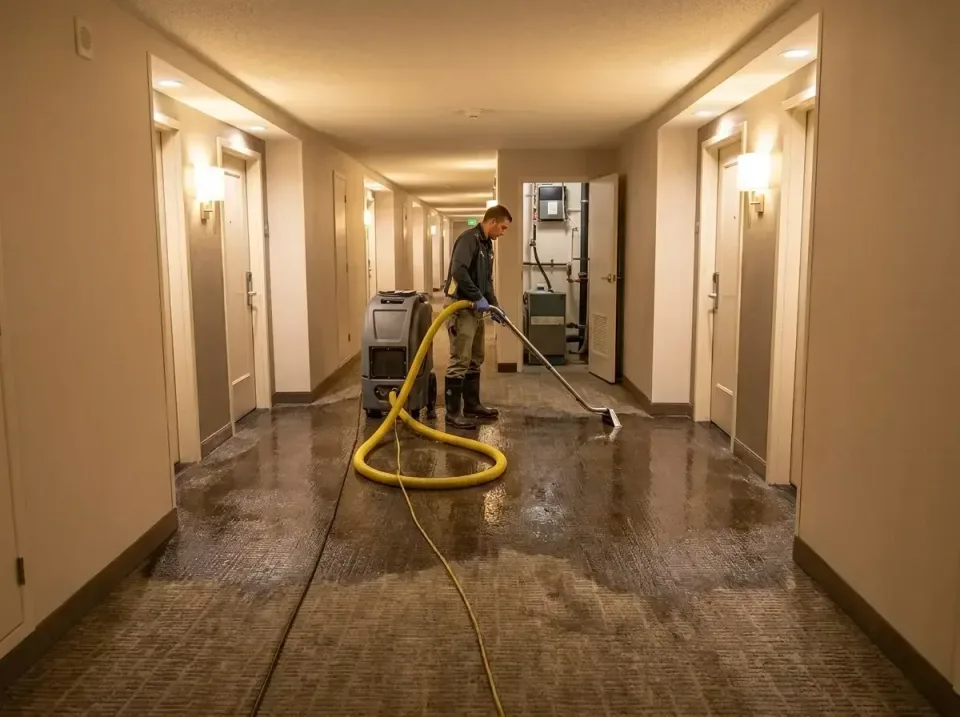
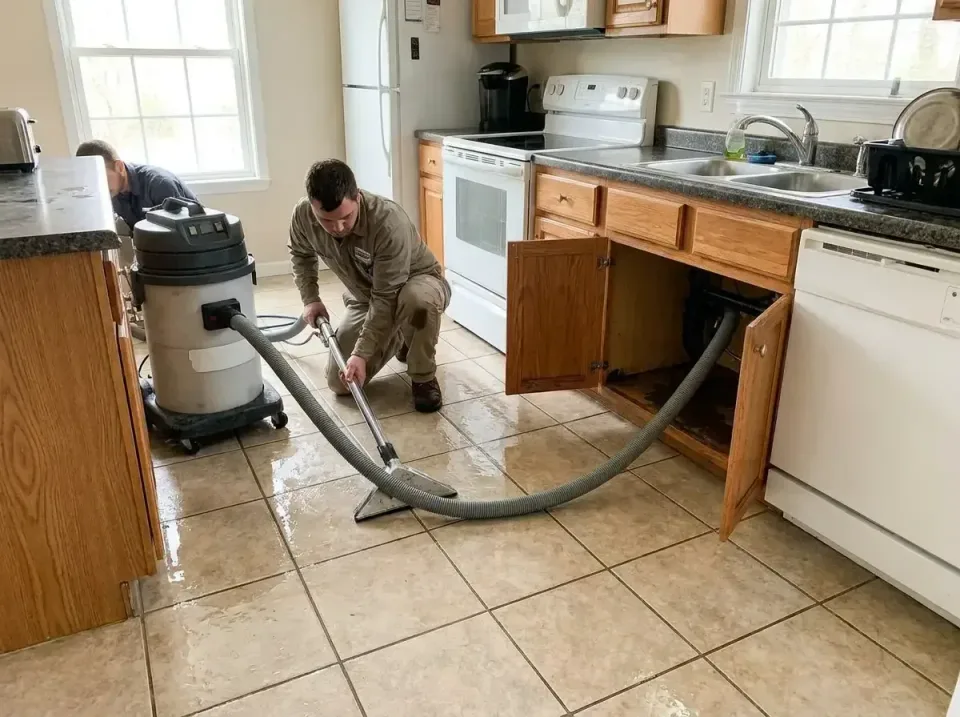
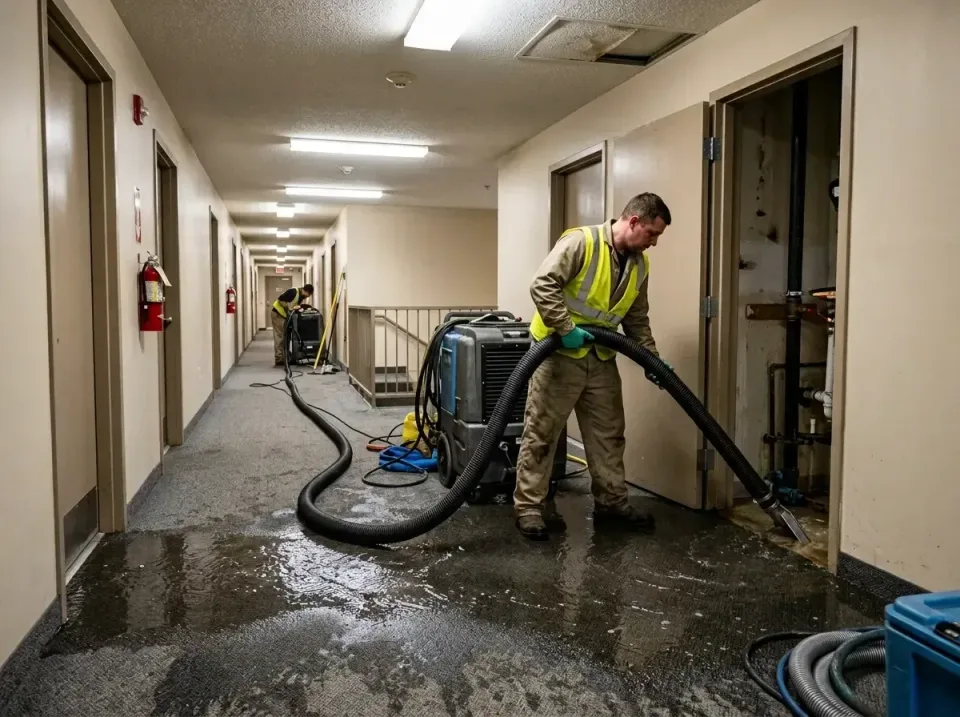
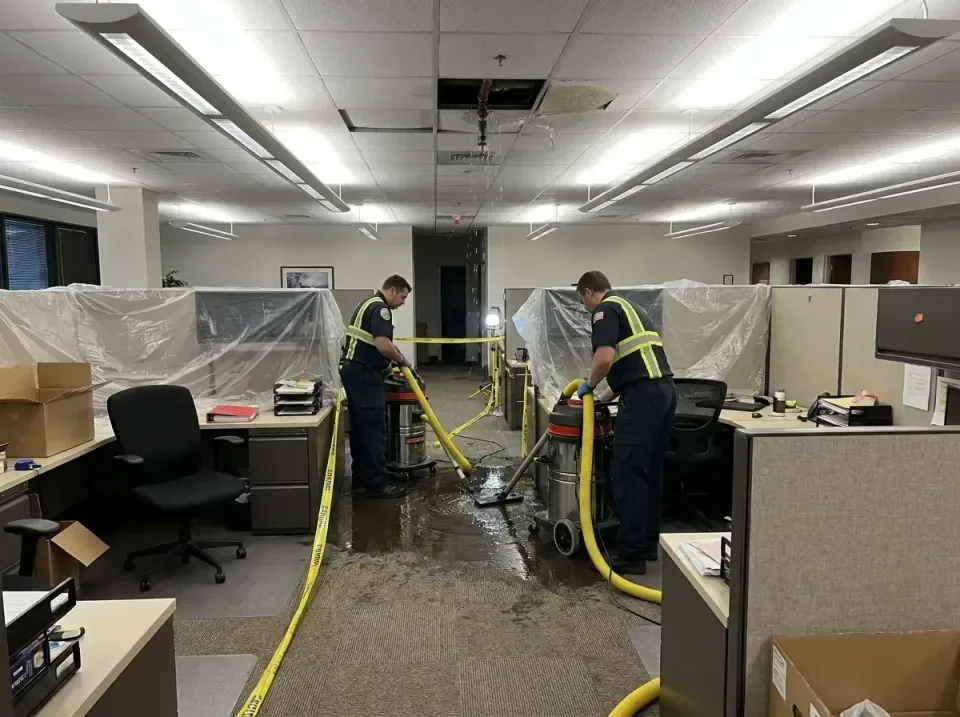
Recent Projects Gallery
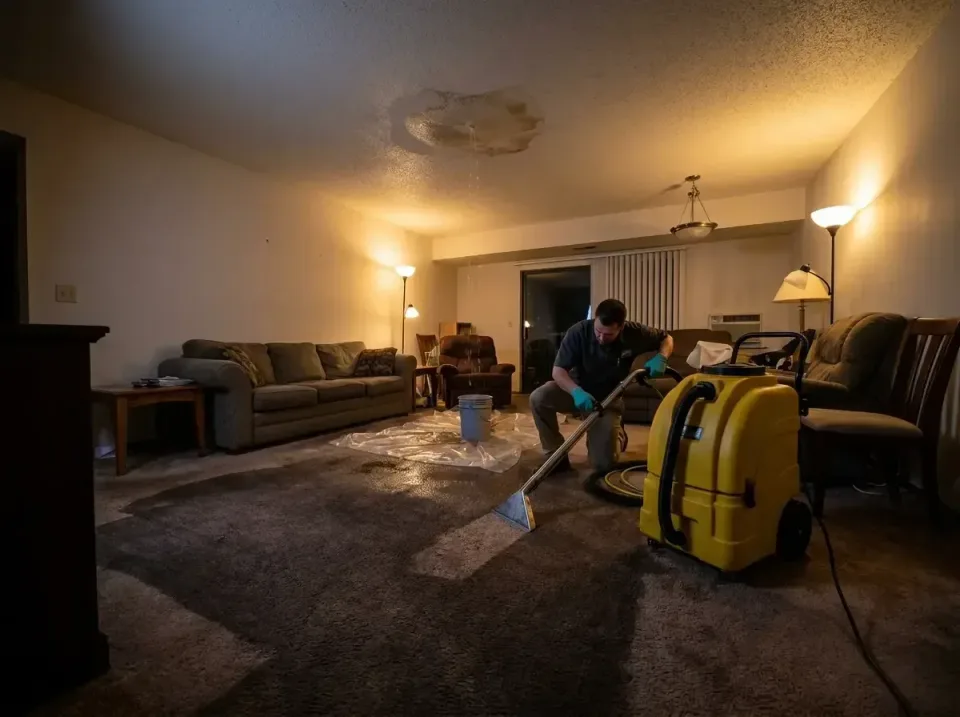
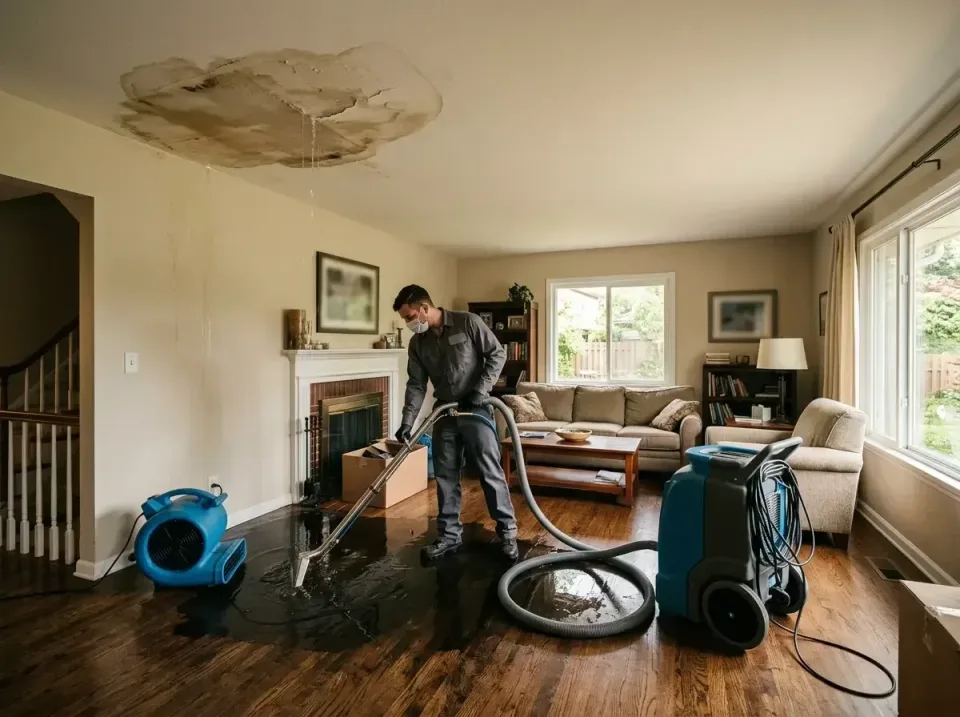
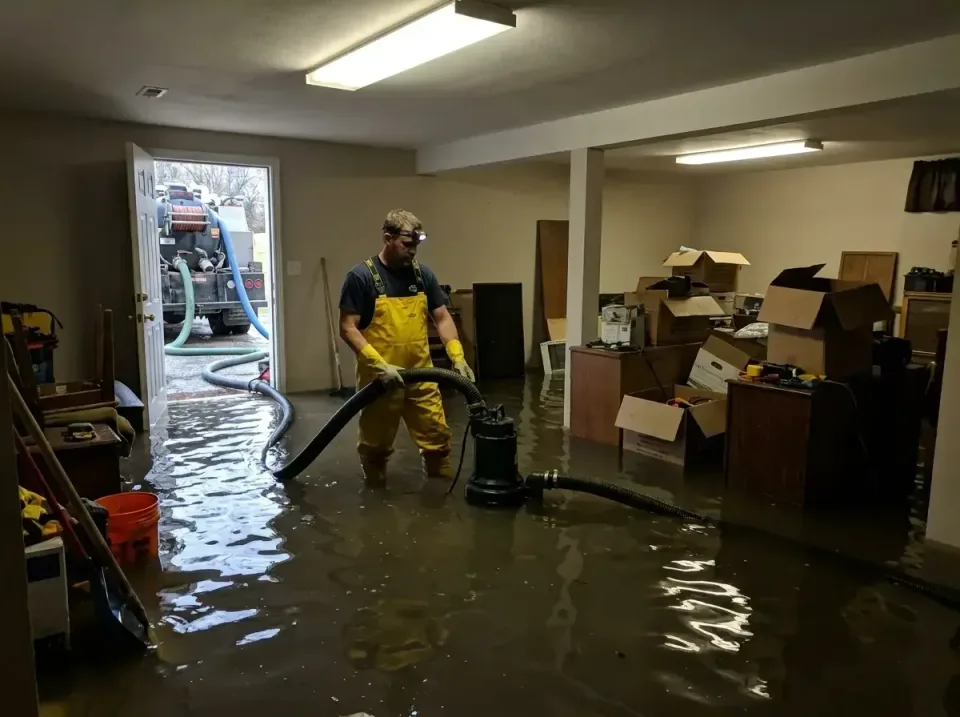
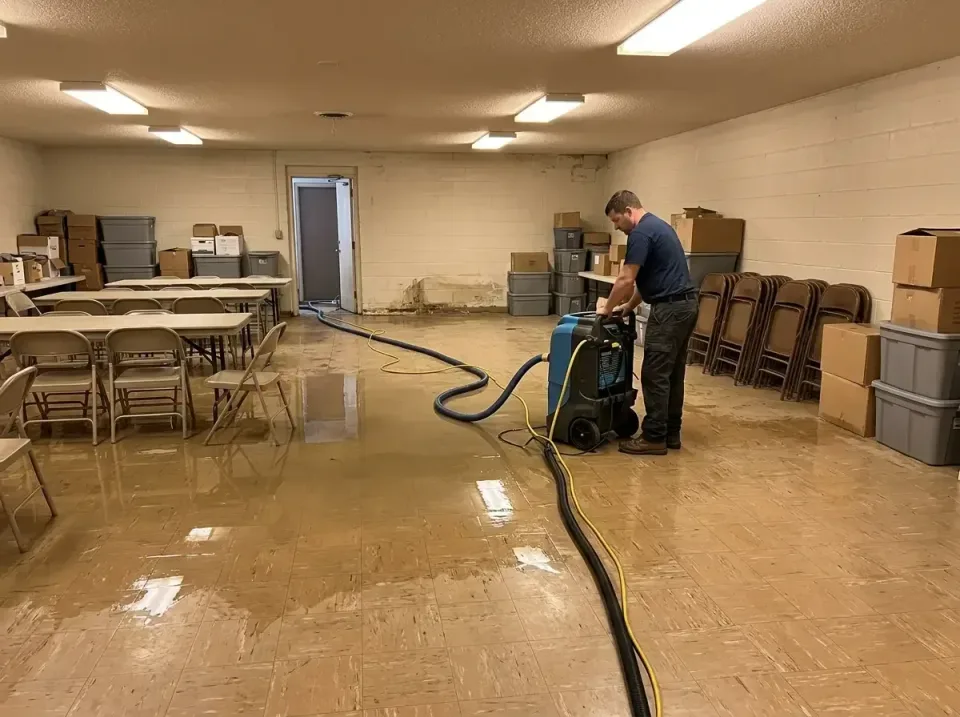
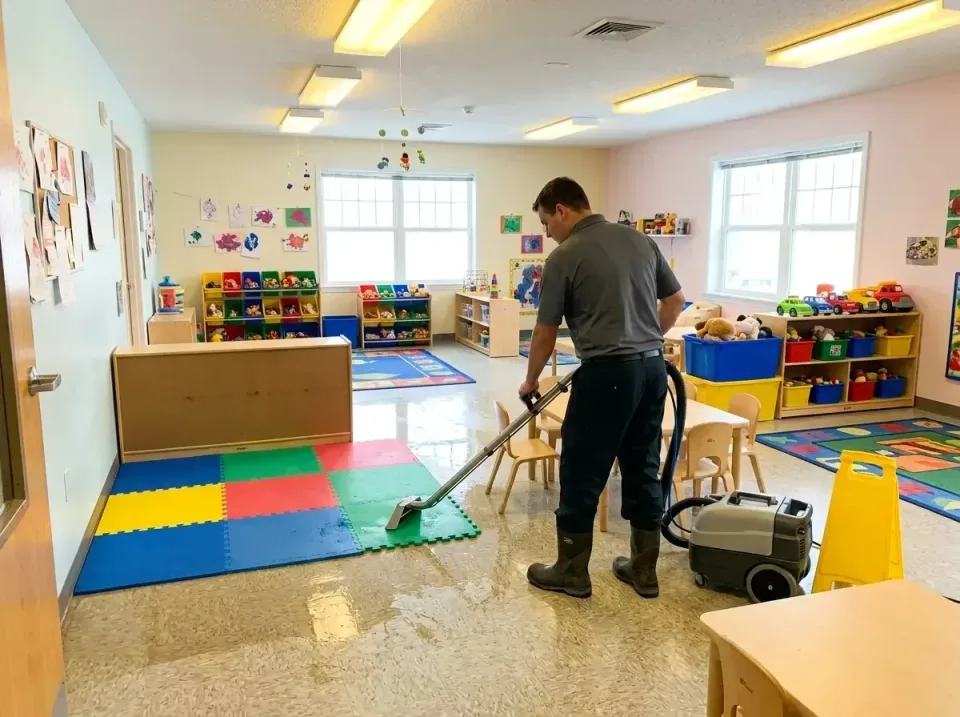
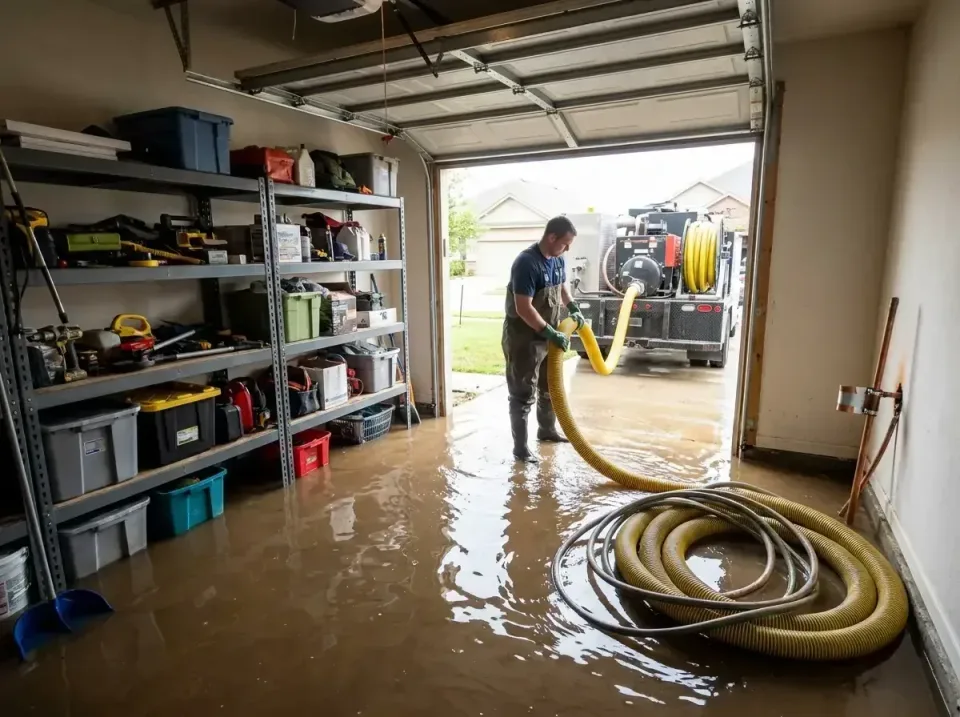
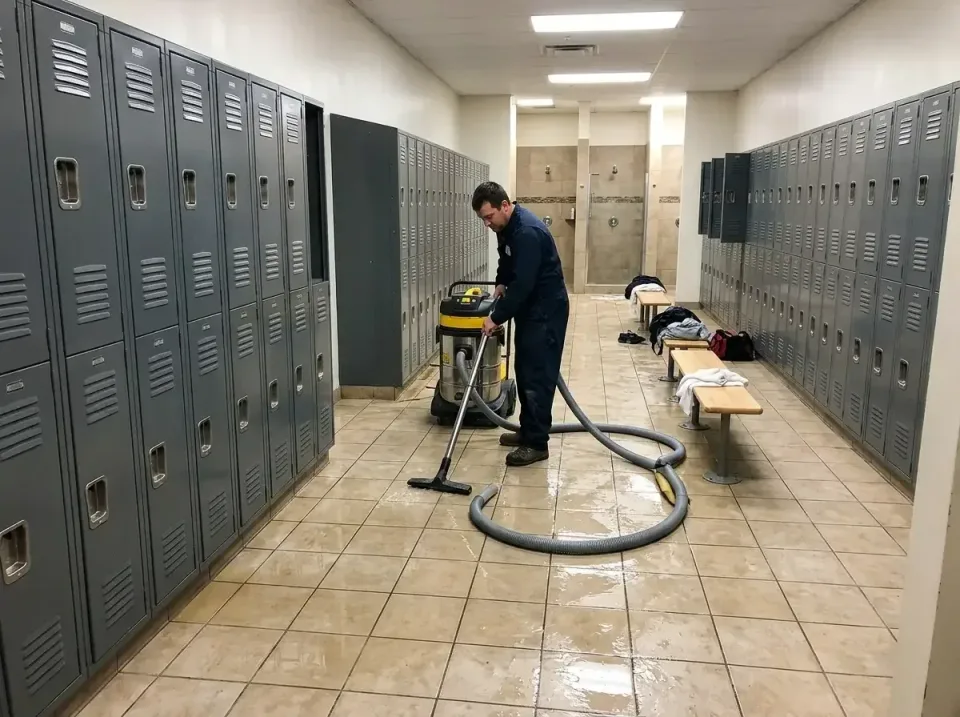
Recent 24 hour emergency water extraction services project photos in Denver.
Browse by State
Select your region to see local 24 hour emergency water extraction services providers and cities we cover.
Request a Quote in Denver
Fill in the details below and a local 24 hour emergency water extraction services provider will follow up. Or call us directly: (833) 710-2743
Need 24 Hour Emergency Water Extraction Services in Denver?
Call or email us directly — we'll get back to you fast.