When Does Water Damage Require Mold Inspection and Testing?
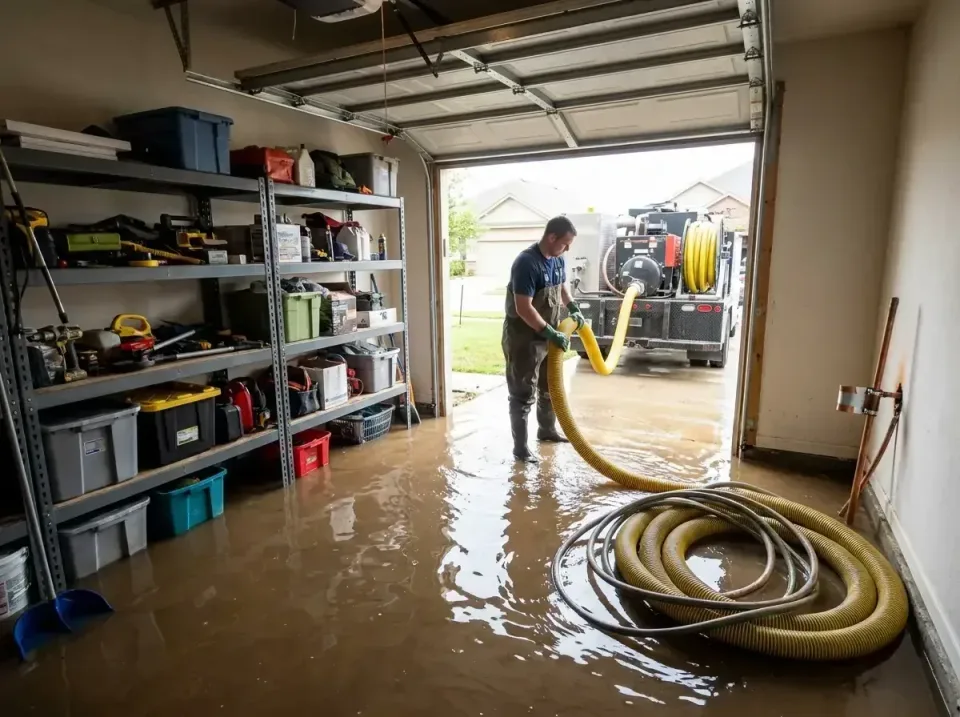
Gray Water, Black Water, and Mold Inspection Signs
A musty odor after carpet drying can signal hidden moisture, especially beneath padding, baseboards, or cabinets. Mold inspection becomes appropriate when water remains concealed or contamination is involved.
Gray water means contaminated household wastewater, such as an overflowing appliance or toilet with no sewage. Black water means sewage or floodwater, requiring faster professional assessment and controlled cleanup.
In Denver, bubbling drywall, spreading brown stains, and visible mold around vents deserve more than surface cleaning. A technician should inspect affected materials, identify the source, and check adjoining rooms.
Water & Mold Removal Contractors can coordinate emergency extraction, inspection, and drying through all service areas. Their assessment helps separate cosmetic staining from an active moisture problem.
If water reached insulation, flooring, or wall cavities, schedule testing before repainting or replacing carpet. Early documentation also gives property owners a clearer repair plan.
Five Mold Inspection Takeaways for Denver Homes
-
Visible vents: Mold around vents suggests moisture may have traveled through concealed air pathways.
-
Standing water: Extraction means removing standing water before it feeds secondary damage, which is deterioration caused by delayed drying.
-
Contamination: Category 3 describes grossly contaminated water, so sewage exposure requires controlled handling rather than household cleaning.
-
Deep absorption: Class 3 losses involve substantial water absorption in materials, increasing the chance of hidden dampness beneath furniture.
-
Documentation: Moisture mapping records wet building materials, while daily readings help show whether affected areas are actually improving. The water damage response process should match the contamination and material conditions, not just the visible stain.
When Odors and Stains Justify Testing
A musty odor that remains after carpet drying is a practical reason to request mold inspection and air-quality testing. The same applies to brown water stains that continue spreading, bubbling paint, or damp drywall that feels cool days after cleanup.
A qualified inspector looks beyond the original spill. Moisture may remain beneath furniture, behind trim, inside a crawl space, or below flooring. The Institute of Inspection Cleaning and Restoration Certification provides restoration guidance, while the American Industrial Hygiene Association offers indoor-environment expertise for sampling questions.
Testing is more useful after the source is controlled. A leaking supply line, foundation seepage, or failed appliance can keep producing misleading results. Inspectors should record moisture readings during every inspection and compare affected materials with nearby dry areas.
Water Category Changes the Inspection Plan
Category 2 water comes from a contaminated appliance or overflow water. It can affect carpet, padding, drywall, and stored belongings, so a technician may recommend removal, cleaning, and targeted inspection rather than simple evaporation.
Sewage or flood exposure requires a different response. In a Denver basement, contaminated water can move beneath finished flooring and into wall cavities. The inspection should identify the travel path, document porous materials, and determine where controlled removal is needed.
Mold inspection does not replace water removal. Extraction, cleaning, and structural drying must address the source first. A later inspection can then determine whether odor, staining, or suspected growth remains after the area stabilizes.
What an Inspector Checks in Crawl Spaces
Crawl space drying often needs closer attention because insulation, joists, soil vapor, and limited access can conceal wet materials. A technician may inspect the underside of flooring when rooms above have soggy spots or warped boards.
The inspection should document wall and floor conditions, affected contents, and any connection between the crawl space and occupied rooms. The crawl space water damage assessment should also distinguish old staining from current moisture before repairs begin.
For larger properties, the same reasoning applies to multifamily housing, schools, and commercial spaces. The inspector may coordinate with property management, an indoor-air consultant, or an environmental professional when occupants report recurring odor.
DIY Checks Versus Professional Testing
Homeowners can photograph stains, move dry belongings, and note when odors appear. They should not cut into wet walls, disturb suspected mold, or energize questionable electrical systems without qualified help.
Professional inspection becomes the safer choice when water entered concealed spaces, contamination is uncertain, or symptoms return after cleaning. A written moisture record gives Water & Mold Removal Contractors a basis for mold remediation, odor removal, carpet and pad work, or minor repairs.
The ANSI/IICRC S520 Standard for Mold Remediation can guide containment and cleanup decisions. Testing should answer a specific question, such as whether hidden growth remains, rather than become a substitute for correcting leaks or drying materials.
Extraction and Drying Options for Mold Inspection Cases
The right service depends on where moisture traveled and how much material remains wet. Moisture mapping can include walls, floors, and contents.
| Option | Best for | Key detail |
|---|---|---|
| Residential water extraction | Local floor or carpet losses | Portable equipment suits confined access |
| Basement dehumidification | Persistent basement humidity | LGR equipment supports controlled moisture removal |
| Crawl space drying | Wet joists or insulation | Limited clearance can slow access |
| Sewage backup cleanup | Contaminated water events | HEPA filtration supports occupied-space particle control |
| Commercial structural drying | Larger occupied buildings | Psychrometric monitoring verifies drying progress |
A professional extraction comparison helps explain why truck-mounted volume may not suit tight rooms. DIY wet vacuuming removes surface water but cannot document hidden moisture.
Five Steps Before Mold Testing and Drying
-
Check hazards: Begin with initial extraction, including a shutoff and hazard check, and never energize wet electrical systems.
-
Place equipment: Set drying equipment along perimeter walls and airflow paths, leaving clear routes around each machine.
-
Monitor daily: Use daily monitoring with moisture readings and adjustments, following the IICRC S500 professional water damage restoration standard.
-
Document conditions: Photograph conditions before moving contents, then preserve insurance records through Water damage insurance claim assistance and digital drying reports.
-
Protect the work zone: Keep Category 3 equipment outside clean zones and use containment before demolition. Hotels and hospitality facilities should coordinate access with staff and guests.
A drying documentation example shows why records matter when an insurer or building manager reviews the work.
Mold Inspection and Water Damage Cost Ranges
Costs vary across Denver because access, material removal, contamination, and drying duration change the work. A room extraction commonly ranges from $500–$1,500, based on water volume and flooring.
Basement drying is often $1,500–$5,000, depending on square footage and moisture. Crawl-space drying commonly ranges from $1,000–$4,000 because insulation damage and restricted access add labor.
Mold remediation may cost $1,500–$6,000 when affected materials and containment expand the scope. Floor-level drying may use 6–12 inch air movers, while equipment duration affects the final quote.
Sewage cleanup can range from $2,000–$10,000, and commercial drying from $3,000–$15,000. Regional labor, demolition needs, and occupancy requirements can shift these ranges.
Final quotes vary by scope, access, contamination, materials, and drying time.
Containment and Testing Advice for Denver Properties
A dehumidifier removes airborne moisture, but it cannot correct a hidden leak or replace a mold inspection. Use moisture readings and thermal imaging to decide where the work actually extends.
Negative air creates inward airflow containment, limiting movement from the work zone into occupied rooms. The technician should explain the containment plan before disturbing suspected growth.
Antimicrobial treatment is microbial-growth control treatment, not a substitute for removal or drying. Delamination, meaning separated flooring layers, can trap moisture beneath otherwise clean surfaces.
Contents pack-out removes affected belongings so walls and flooring can be inspected. State mold-remediation licensing requirements vary, so owners should ask which credential and work standard apply.
Common mistake: Painting over a dry-looking stain can hide ongoing moisture and make the next inspection harder.
Water & Mold Removal Contractors can compare the work plan with the IICRC S520 standard, OSHA 29 CFR 1910.1200 hazard communication requirements, and the affected materials. Their mold containment planning resource can help owners prepare questions before demolition.
When Denver Water Damage Needs a Mold Inspection
A spreading brown stain, water pooling near the foundation, or a recurring musty odor deserves inspection when moisture may remain hidden. Gurgling drains and sewage smell raise the concern further because the water source may be contaminated.
The EPA mold-growth prevention drying window is 24–48 hours, so prompt source control and drying matter after a leak. IICRC guidance separates three contamination categories, helping technicians choose safer procedures.
Do not rely on fresh paint or surface carpet cleaning to confirm the structure is dry. Request moisture mapping, documented readings, and targeted mold inspection when symptoms persist.
Denver homeowners can use all service areas to identify coverage beyond the immediate neighborhood. Water & Mold Removal Contractors can review the damage, explain the next step, and prepare a scope for extraction, testing, or remediation.
Services We Offer in Denver
Explore related services available in Denver.
Homeowners, contractors, and property managers book Denver structural drying for wet floors, walls, contents, and hidden moisture.
Homeowners, property managers, and contractors book Denver wet carpet cleaning, steam sanitization, padding drying, and odor control.
Denver homeowners, contractors, and property managers book us to extract wet carpet padding and dry affected subfloors.
Homeowners and property managers book Denver carpet extraction, pad drying, and moisture checks after leaks or flooding.
Homeowners, property managers, and contractors book Denver mold remediation for inspection, containment, removal, and cleanup.
Homeowners and property managers book Denver mold removal for damp walls, crawl spaces, and hidden moisture after water damage.
Homeowners, contractors, and property managers book Denver mold inspections, moisture mapping, and indoor air-quality testing.
Denver homeowners, property managers, and contractors book flood cleanup for extraction, structural drying, and moisture control.
Homeowners and property managers book Denver sewage cleanup for black-water extraction, containment, drying, and sanitization.
Home cleanouts and moves in Denver need driveway-friendly placement and the right container size — basement water extraction & dehumidification without surprise reload fees.
Homeowners book Denver residential water damage cleanup for extraction, drying, moisture checks, and affected carpet or flooring.
Commercial extraction and structural drying for Denver property managers, contractors, hotels, offices, and retail facilities.
Homeowners, contractors, and property managers book Denver humidity control for damp rooms, basements, crawl spaces, and water-damaged contents.
Homeowners, contractors, and property managers book Denver moisture inspections to locate hidden dampness, mold risks, and wet building materials.
Homeowners and property managers book Denver antimicrobial treatment to sanitize water-affected surfaces and reduce lingering odors.
Homeowners, property managers, and contractors book Denver odor removal for musty carpets, sewage smells, and moisture-damaged contents.
Homeowners, property managers, and contractors book Denver upholstery and rug extraction after leaks, floods, or contaminated water.
Homeowners, contractors, and property managers book Denver storm flood drying for wet structures, contents, and saturated flooring.
Denver homeowners, contractors, and property managers book sewage and floodwater cleanup with controlled containment and structural drying.
Homeowners, property managers, and contractors book Denver gray water extraction for contaminated household wastewater and structural drying.
Local crawl space water extraction & drying for Denver with clear pricing drivers, weight limits, and scheduling you can plan around.
Homeowners, contractors, and property managers book Denver claim assistance for documented water-loss repairs and drying.
Storm and disaster debris in Denver needs fast placement and weight planning — emergency flood response & water removal with emergency scheduling options.
Denver homeowners, contractors, and property managers book contents drying after water damage affects belongings or furnishings.
Recent Projects Gallery
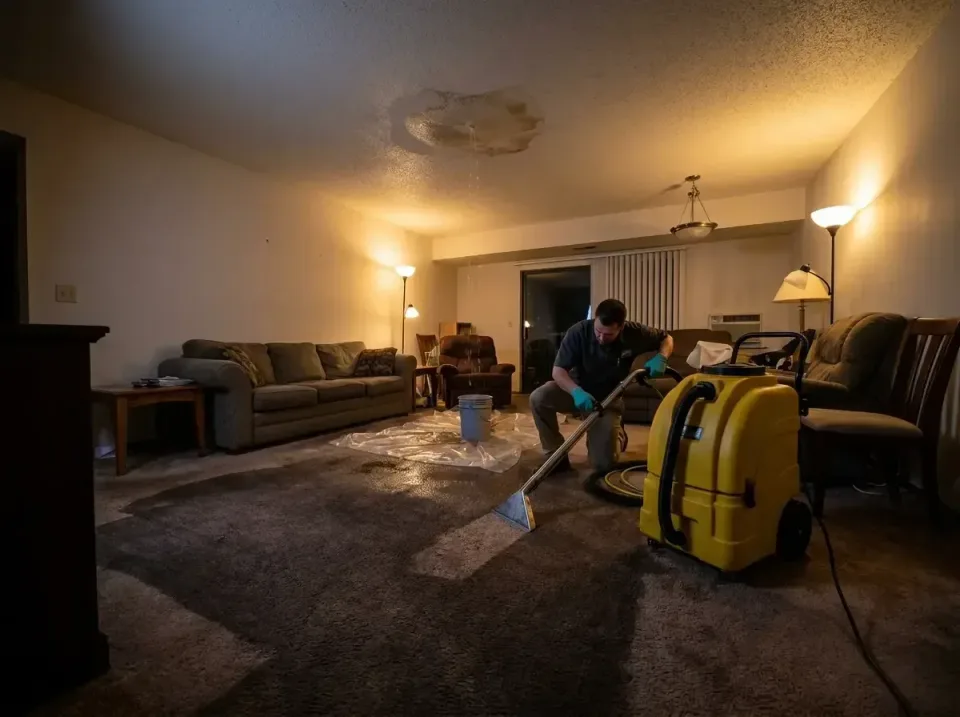
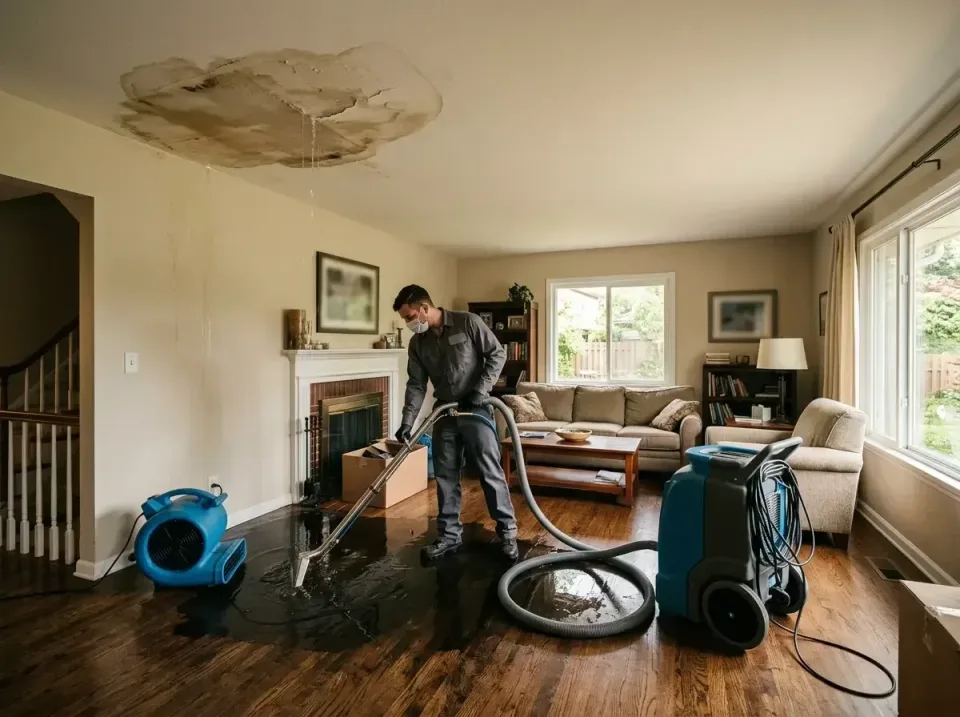
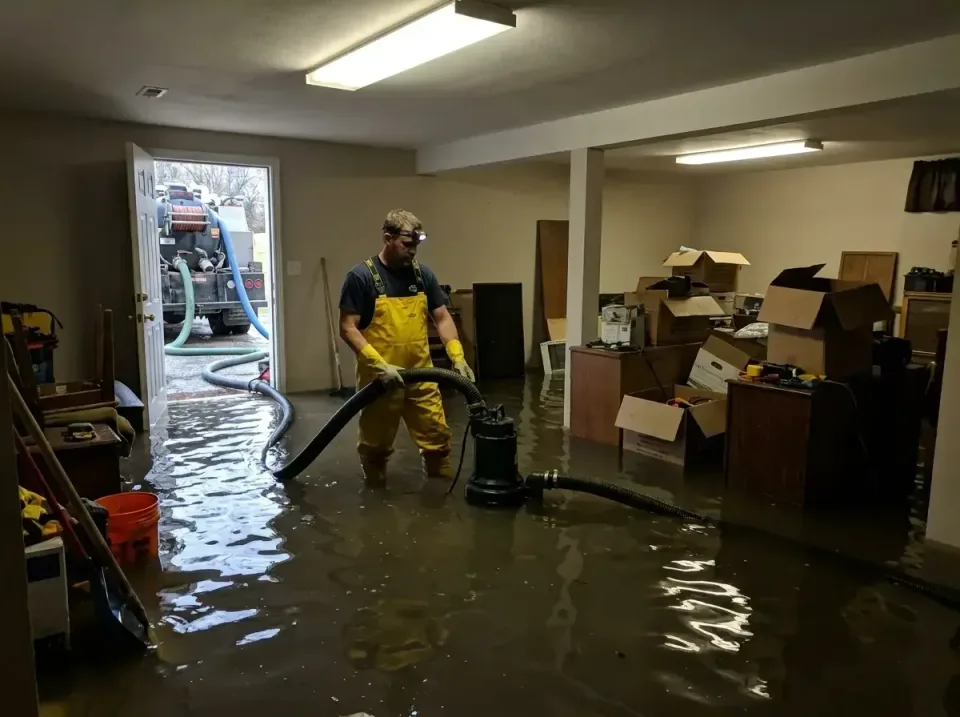
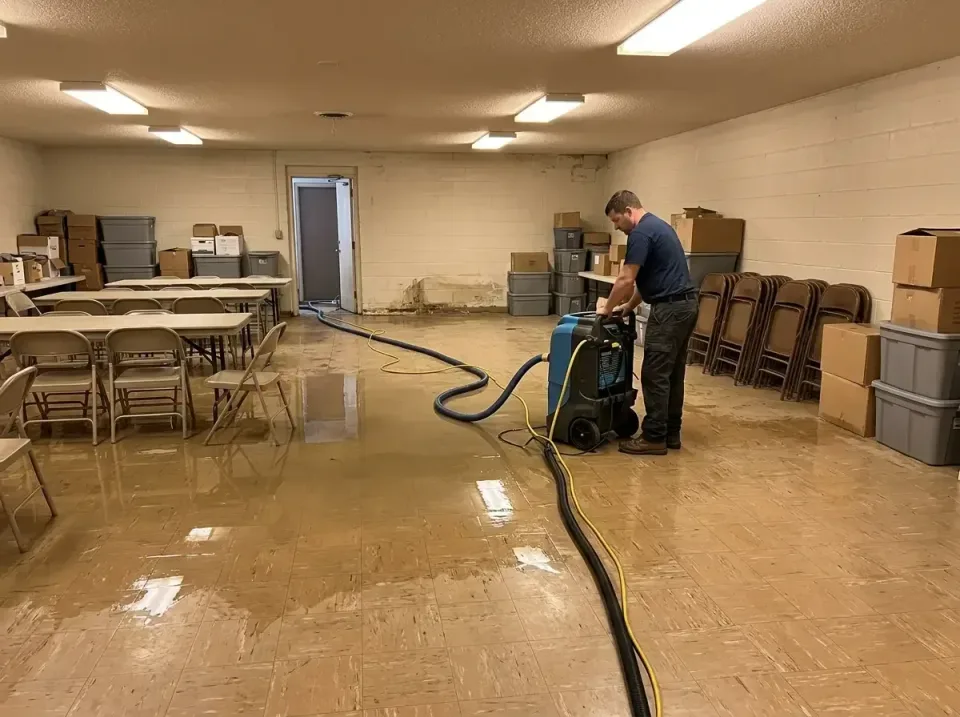
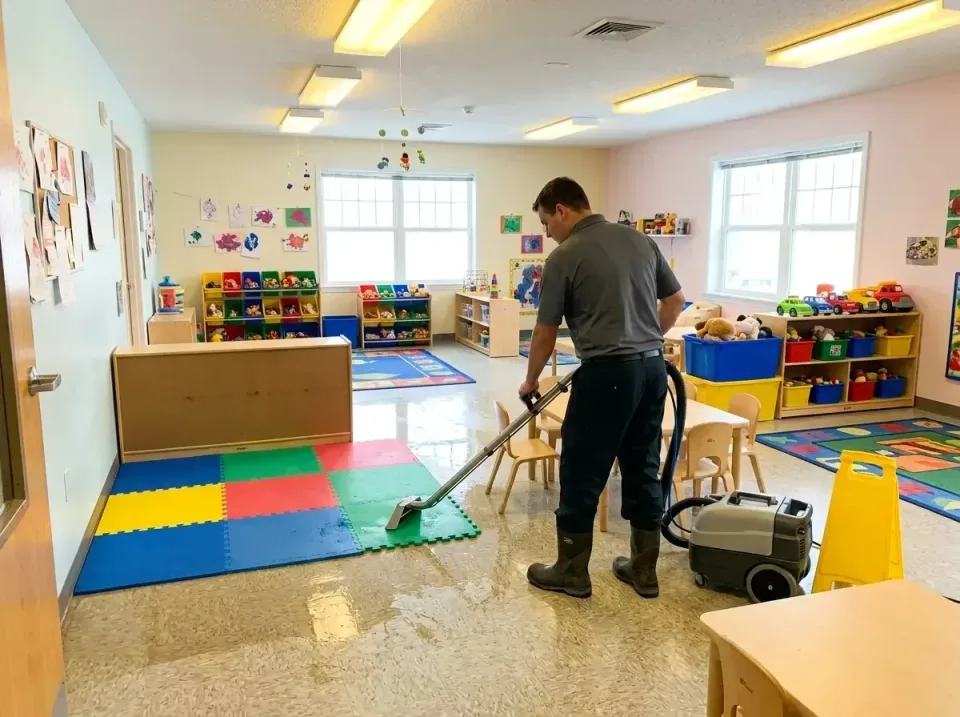
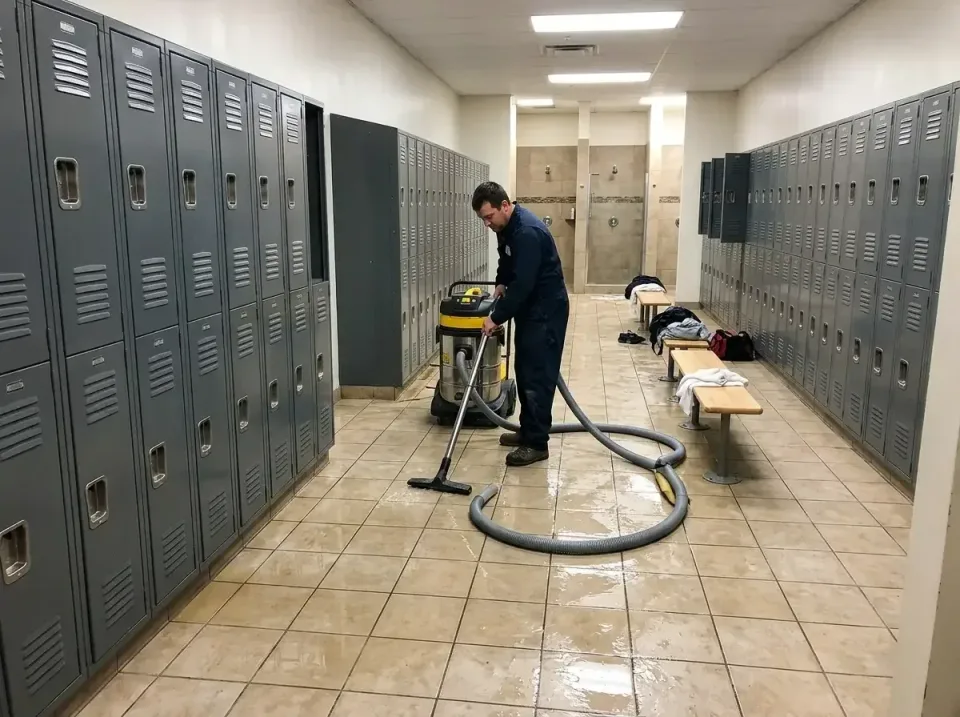
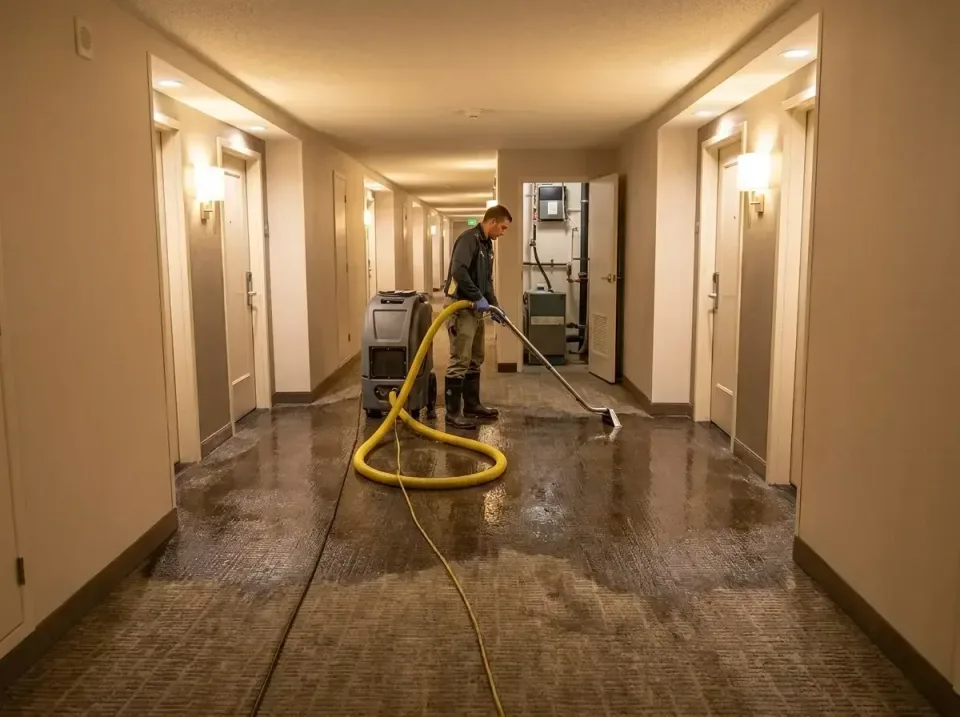
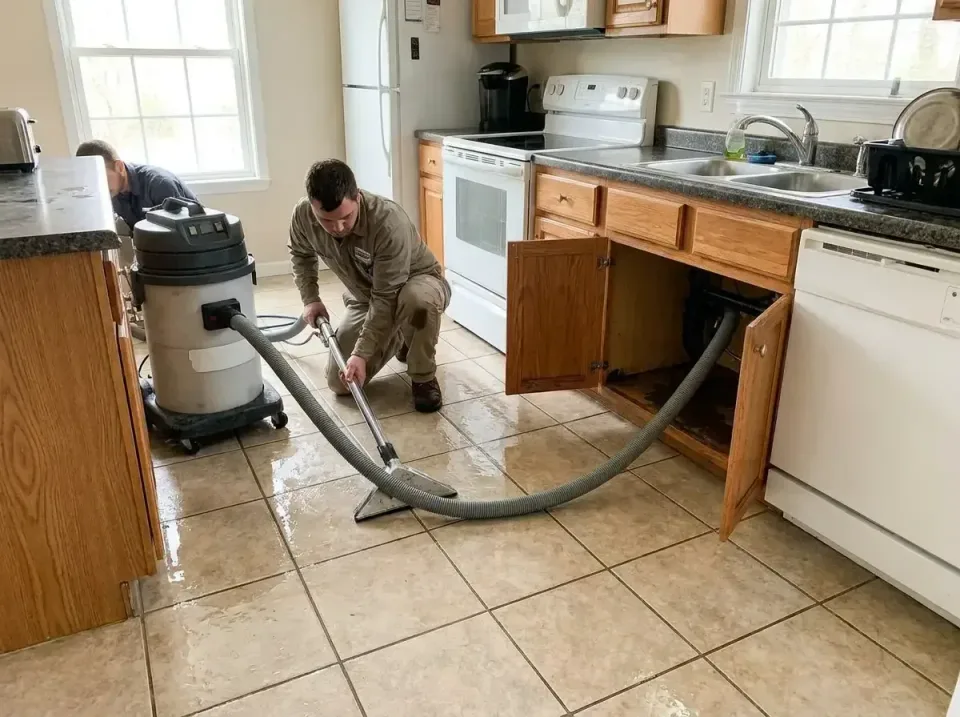
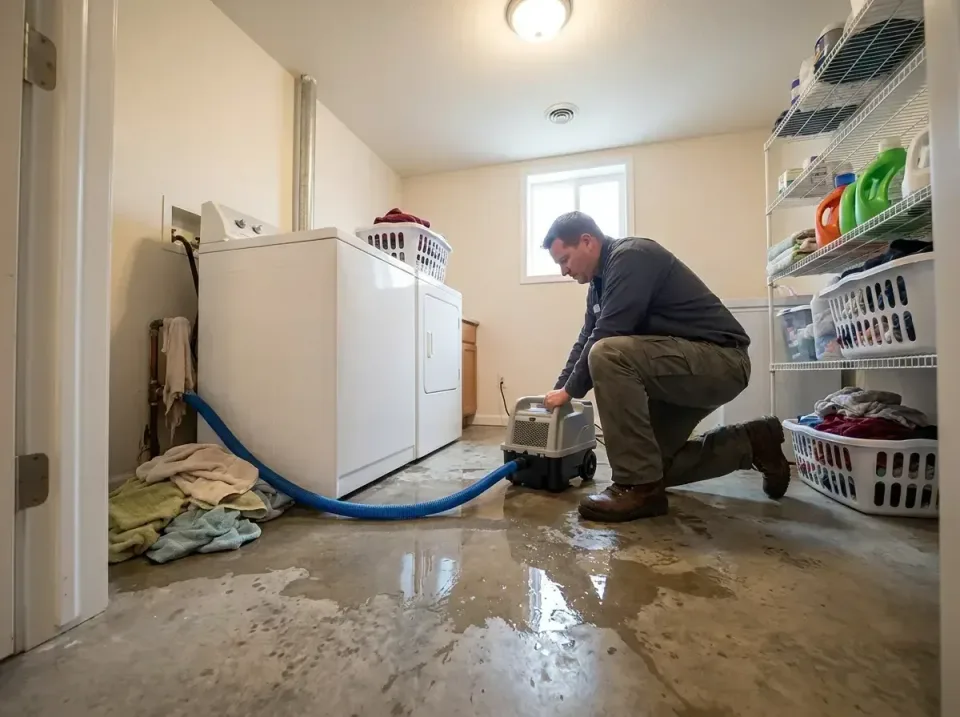
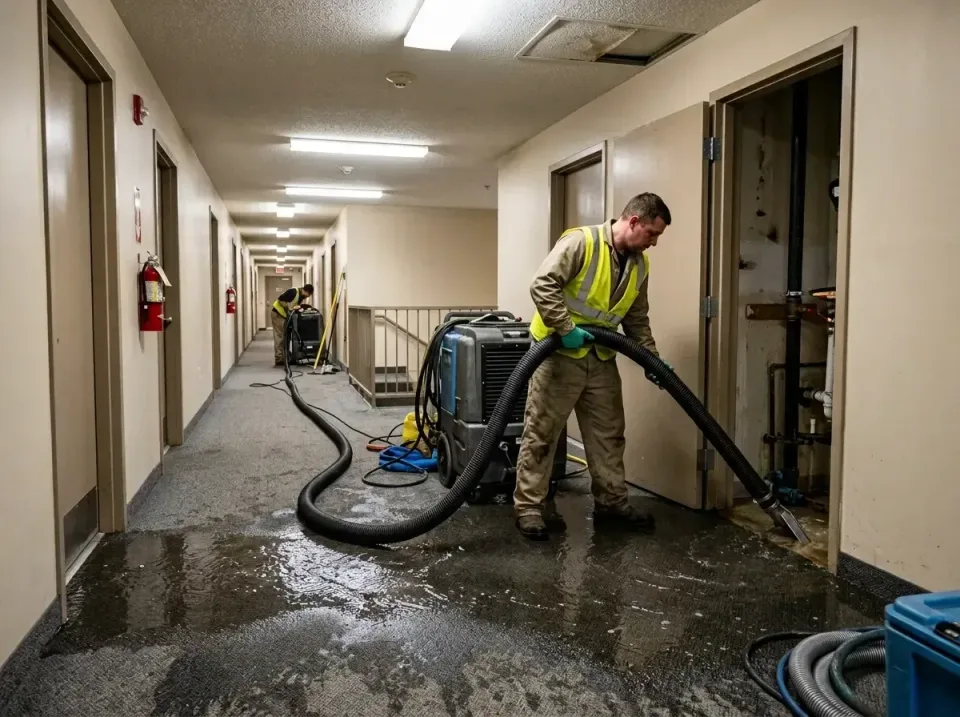
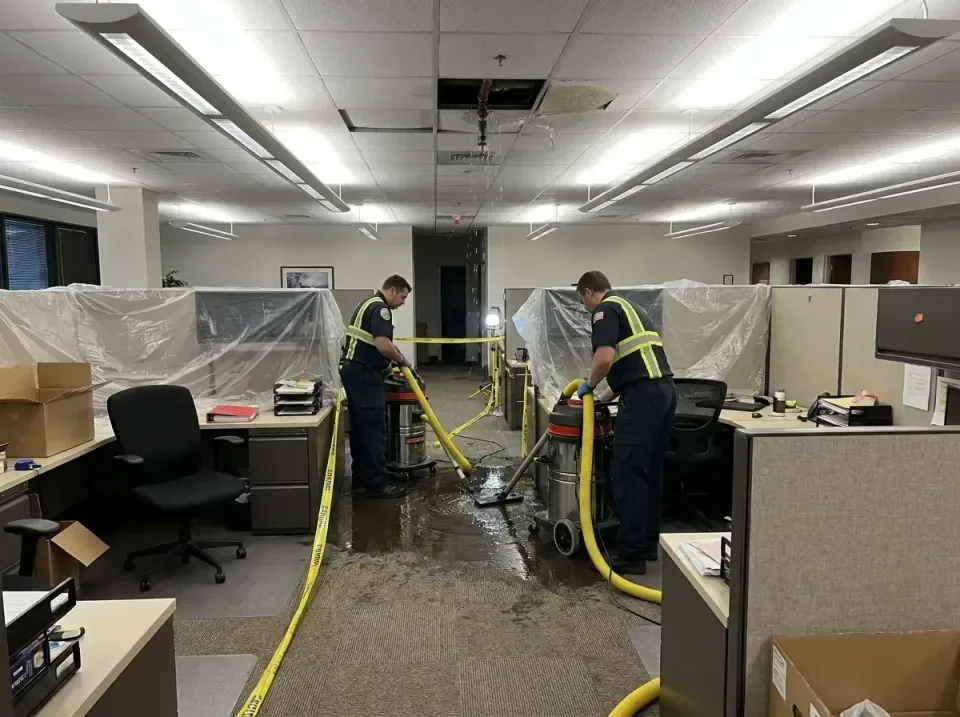
Recent 24 hour emergency water extraction services project photos in Denver.
Browse by State
Select your region to see local 24 hour emergency water extraction services providers and cities we cover.
Request a Quote in Denver
Fill in the details below and a local 24 hour emergency water extraction services provider will follow up. Or call us directly: (833) 710-2743
Need 24 Hour Emergency Water Extraction Services in Denver?
Call or email us directly — we'll get back to you fast.